Why Sapporo Is Where Americans Finally 'Get' Japan
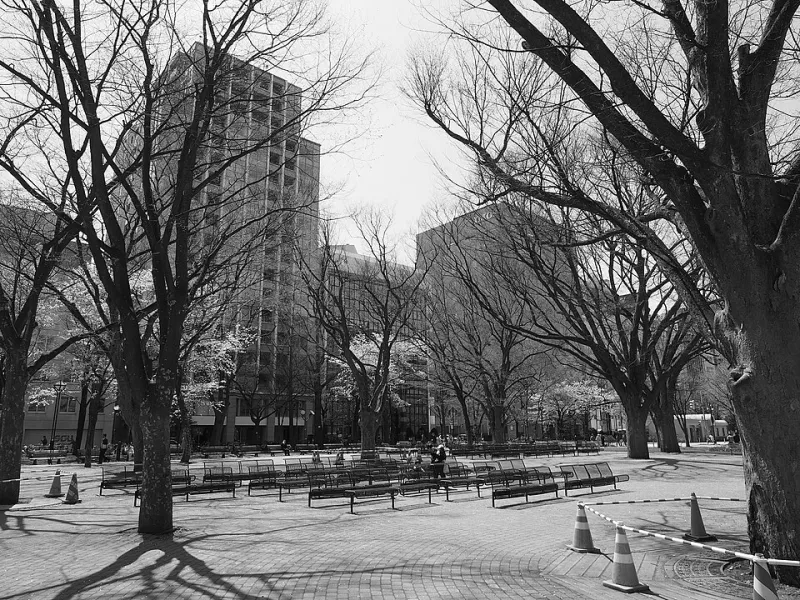
Photo: Nicolas Fischer, CC BY 3.0, via Wikimedia Commons
There's a moment that happens to a lot of American visitors in Sapporo. It usually hits somewhere between your second bowl of miso ramen and your first stroll through Odori Park — this quiet realization that you're not just touring Japan, you're actually experiencing it. Not from behind a velvet rope or a tour group flag, but from the inside.
That feeling isn't an accident. Sapporo occupies a genuinely unusual cultural position in Japan, one that's hard to explain until you've felt it yourself. The city is authentically, thoroughly Japanese — and yet it's somehow the least intimidating version of that. For Americans who've bounced off the sensory overload of Tokyo or felt slightly frozen by Kyoto's formality, Sapporo tends to be the place where everything finally makes sense.
The Weight of History (or the Lack of It)
Here's something that surprises a lot of first-time visitors: Sapporo is young. Not young by American standards — it was formally established in 1869 — but young by Japanese ones. While Kyoto has been accumulating centuries of imperial ritual and social hierarchy, and Tokyo carries the dense, layered pressure of being the nation's nerve center, Sapporo was essentially built from scratch during the Meiji era as a planned city.
That origin story matters. The city was designed with a grid layout, influenced in part by American urban planners brought over during the Meiji modernization push. It grew up without the rigid feudal social structures that shaped older Japanese cities. The result is a place that holds genuine Japanese values — community, craftsmanship, seasonal awareness, quiet respect — but without the invisible social ceiling that can make places like Tokyo feel like you're always one misstep away from doing something wrong.
For American visitors who are culturally curious but understandably anxious about getting it all wrong, that distinction is enormous.
Authentic Without the Pressure
Spend a few days in Sapporo and you'll notice something: people are patient with you in a way that feels real rather than performative. Shopkeepers in the Tanukikoji covered arcade will gesture, point, and smile their way through a transaction without any flicker of visible frustration. Restaurant staff will bring out dishes and explain them, sometimes in halting but genuine English, sometimes just through enthusiastic pointing at the menu.
This isn't the sanitized, tourist-facing version of Japan you'd find at an international hotel in Shinjuku. It's actual daily life — the fish market at Nijo, the neighborhood izakayas in Susukino, the early-morning coffee shops in Kita Ward where salarymen read newspapers in total, comfortable silence. The culture is intact. It just doesn't feel like it's being performed for you, or guarded from you.
There's a term that gets used a lot in travel writing — authentic — and it's been so overused it's nearly meaningless. But in Sapporo, it applies in a specific, useful way: the city isn't putting on a show of Japanese-ness for outsiders, and it also isn't making outsiders feel like they're intruding on something private. It just exists, and it lets you exist alongside it.
The Grid That Changes Everything
The city's physical layout deserves more credit than it usually gets for making visitors feel comfortable. Sapporo's famous grid system — blocks numbered and lettered in a logical progression from a central point — means that even on day one, you can develop a working sense of where you are. That sounds minor until you've spent three days completely lost in Osaka's tangle of streets and realized how much cognitive load navigation eats up.
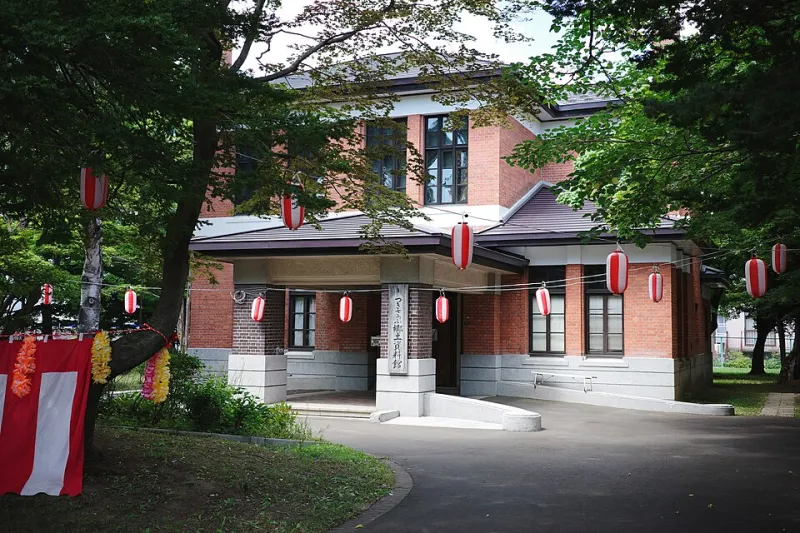
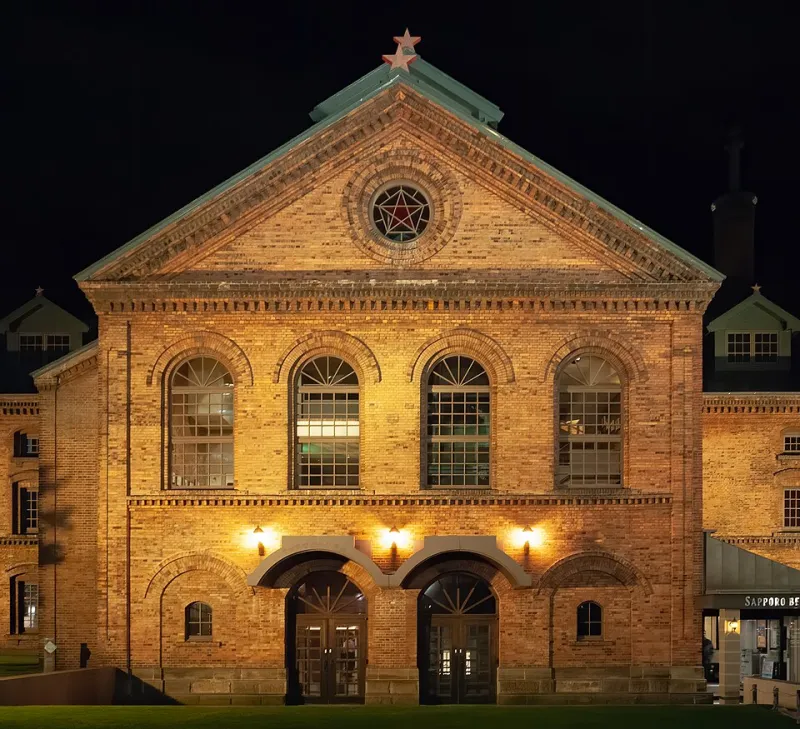
When you're not spending mental energy on not getting lost, you have more bandwidth to actually look around. You notice the architecture mixing mid-century concrete with the occasional preserved Meiji-era redbrick building. You catch the seasonal displays in shop windows that shift with a precision and care that feels almost ceremonial. You start to understand the rhythm of how the city moves — purposeful but unhurried, which is a combination Americans don't always encounter.
Odori Park, the long green spine running east to west through the city center, functions as a kind of cultural living room. Depending on when you visit, it might be packed with snow sculptures, lined with beer gardens, or simply full of people eating lunch on benches in the autumn light. It's a space that's used, not preserved, and watching locals use it tells you more about daily Japanese life than most museums will.
Where the 'Aha Moment' Actually Lives
A lot of Americans come to Japan expecting their big cultural revelation to happen in Kyoto's temple districts or on a Tokyo street crossing. And sometimes it does. But there's a particular kind of understanding that tends to happen in Sapporo — slower, quieter, and ultimately more lasting.
It might happen at a local craft sake bar in the Nakajima Park neighborhood, where the bartender walks you through a flight of Hokkaido rice wines with the focused care of someone who genuinely loves what they do. It might happen at the Hokkaido Shrine during a weekday morning, when there are no tour groups and just a handful of locals making their way through the torii gate with the easy familiarity of people who've done it a thousand times. It might just happen on a side street when you realize you've been walking for forty minutes without consulting your phone once.
What Sapporo gives you is the space to absorb rather than consume. The cultural texture is all there — the food rituals, the seasonal attentiveness, the social codes around politeness and quietness and craft — but it's delivered at a pace that lets you actually take it in.
A City That Doesn't Need to Prove Anything
Maybe that's the real explanation for the Sapporo effect. Tokyo knows it's Tokyo. Kyoto knows it's Kyoto. Both cities carry a kind of cultural self-consciousness, a weight of reputation that shapes how they present themselves to the world.
Sapporo doesn't have that. It's a big, functional, genuinely livable city that happens to be one of the most interesting places in Japan. It's not competing with anyone. It's not trying to be the most dramatic version of itself for your benefit. And paradoxically, that's exactly what makes it feel the most real.
For Americans who've always wanted to understand Japan rather than just see it, that's not a small thing. That might actually be everything.