Three Months In, The Honeymoon Is Over: What American Expats Really Think of Sapporo
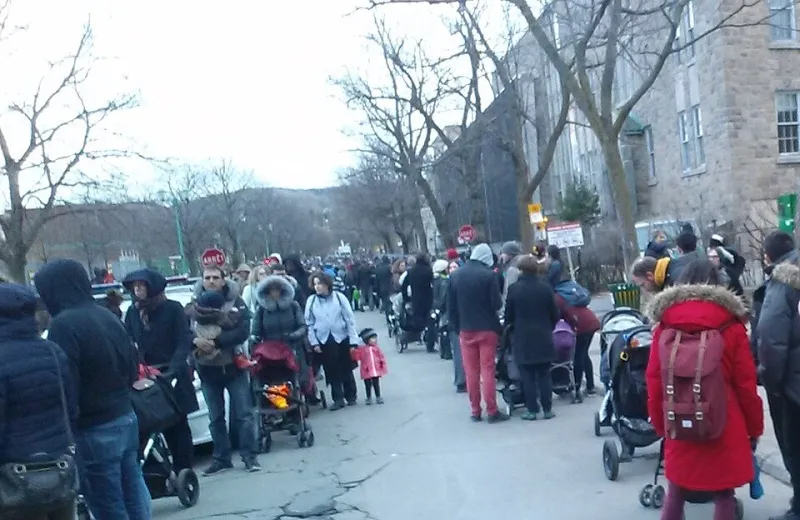
Photo: Specpag, CC BY-SA 4.0, via Wikimedia Commons
Everyone arrives in Sapporo with the same wide-eyed energy. The ramen is transcendent, the streets are impossibly clean, the beer is cold and cheap, and the mountains are right there on the horizon like a screensaver you actually get to live in. For the first four to six weeks, daily life feels like a highlight reel.
Then month three hits.
The novelty of navigating convenience store menus in Japanese stops being charming and starts being exhausting. The apartment that seemed cozy now feels isolating. The friends you thought you were making turn out to be friendly acquaintances who politely decline every invitation. And you're staring at a stack of government paperwork you genuinely cannot decode.
None of this means Sapporo is the wrong choice. But it does mean you should go in with your eyes open. Here's what Americans consistently discover — and occasionally regret — once the honeymoon phase wears off.
The Bureaucracy Is Not Tourist-Friendly
If you're visiting for a week or two, Japan's administrative systems are basically invisible. If you're staying for months, they become a part-time job.
Registering your address at the ward office (区役所, kuyakusho) is legally required within 14 days of arrival for most visa holders. That sounds simple until you show up and realize the forms are mostly in Japanese, the staff speak limited English, and the process involves multiple windows, multiple trips, and a specific order of operations that nobody explains upfront.
Health insurance enrollment, national pension paperwork, bank account setup — all of it layers on top of each other, and all of it requires documents that reference other documents you haven't received yet. Americans used to doing most of this stuff online in 20 minutes will find this genuinely maddening.
The practical fix: connect with Sapporo's expat community before you arrive. Facebook groups, Reddit threads, and local international exchange organizations like the Sapporo International Communication Plaza can walk you through the sequence. Don't try to figure it out alone.
The Social Wall Is Real, and It Takes Time to Climb
Japanese social culture is warm but structured. Friendships deepen slowly, invitations come after trust is established, and the casual American habit of immediately treating acquaintances like old friends can actually make people pull back rather than lean in.
This catches a lot of Americans off guard. You'll have perfectly pleasant interactions with coworkers, neighbors, and classmates for weeks — and then wonder why none of it has translated into actual plans. It's not rejection. It's just a different timeline.
The expats who break through tend to do it through consistent, low-pressure presence: joining a club (sports leagues, cooking classes, language exchanges), becoming a regular at a neighborhood izakaya, or volunteering with community organizations. Showing up repeatedly in the same context signals commitment in a way that one-off socializing doesn't.
Also worth knowing: Sapporo has a meaningful expat community, but it's smaller and less centralized than you'd find in Tokyo or Osaka. That means less of a built-in social safety net, which can amplify the isolation if you're not proactive.
The Costs You Didn't Budget For
Sapporo has a reputation as one of Japan's more affordable major cities, and that reputation is mostly earned. But long-term residents consistently get surprised by a few specific expenses.
Heating costs are the big one. Sapporo winters are serious — think Minneapolis, not Seattle — and the heating bills that come with a Japanese apartment in January and February can genuinely shock people who moved here from warmer parts of the US. Older apartment buildings are notoriously under-insulated, and gas-powered heating systems run constantly. Budget significantly more than your summer utility bills suggested.
Healthcare is another area where reality diverges from expectation. Japan's national health insurance is excellent and relatively affordable once you're enrolled, but the system requires upfront payment at the point of care, with reimbursement processed later. If you need anything beyond routine care before you're fully set up in the system, costs can pile up fast.
Finally, the import tax on American comfort items — certain foods, specific personal care products, anything you can't find locally — adds up quietly. That jar of peanut butter or your preferred deodorant brand isn't going to break the bank individually, but the cumulative cost of recreating a familiar pantry is higher than most people expect.
The Language Barrier Has a Long Tail
Most Americans arrive knowing that Japanese will be a challenge. What they underestimate is how long the challenge lasts.
Sapporo is significantly less English-friendly than Tokyo. Menus, signage, and transit information are often Japanese-only outside of the main tourist zones. Medical appointments, lease negotiations, and utility setups almost always require either strong Japanese or a bilingual friend willing to help.
The expats who adapt fastest are the ones who commit hard to language study from week one — not because fluency arrives quickly (it doesn't), but because even basic functional Japanese changes the texture of daily life dramatically. Being able to read hiragana and katakana alone unlocks a huge portion of everyday navigation.
Language apps help, but structured classes at places like Hokkaido University's Japanese language program or local community centers give you something apps can't: practice with actual humans who will correct you in real time.
What Sapporo Gets Absolutely Right (Even After Month Three)
Here's the honest counterweight: most Americans who push through the adjustment period don't regret staying.
The quality of life in Sapporo — once you're actually living it rather than performing it for an Instagram audience — is genuinely high. The food culture is extraordinary in a way that only deepens with familiarity. The outdoor access, from skiing at Niseko to summer hiking in the surrounding mountains, is a legitimate lifestyle upgrade for anyone who loves being outside. The city is safe, well-organized, and surprisingly livable once you stop fighting its rhythms and start moving with them.
The expats who struggle most are the ones who expected Sapporo to conform to their habits. The ones who thrive tend to be the ones who got curious about why things work differently here — and found something they actually liked in the answer.
Is Sapporo Actually the Right Fit for You?
That depends on what you're bringing with you.
If you're flexible, genuinely interested in Japanese culture rather than just the aesthetic of it, comfortable with ambiguity, and willing to be a beginner at a lot of things simultaneously — Sapporo rewards that orientation generously.
If you need a robust English-speaking social infrastructure, struggle with bureaucratic friction, or require the kind of expat amenities you'd find in larger Asian cities, you may find the adjustment steeper than it's worth.
Neither answer makes you a failure. Sapporo is a specific kind of city, and it asks something specific of the people who choose it. The Americans who last here — and there are plenty of them — tend to say the same thing: it took about six months to feel real, and after that, they couldn't imagine leaving.