So You Want to Rent an Apartment in Sapporo: A Real-World Guide for Non-Japanese Speakers
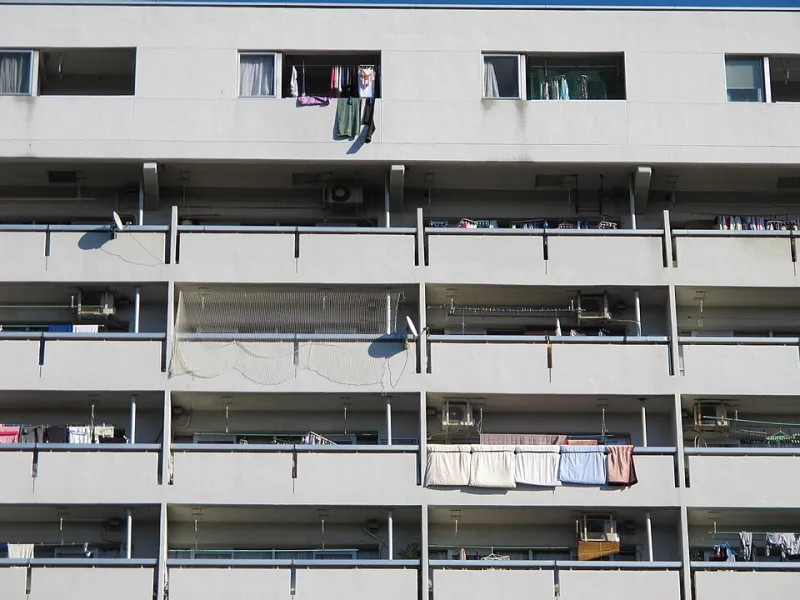
Photo: Sgroey, CC BY-SA 4.0, via Wikimedia Commons
Let's be honest: most travel content about staying in Sapporo stops at "book an Airbnb" or "try a guesthouse for a local vibe." That's fine for a long weekend. But what if you're staying for a month? Three months? What if you're a remote worker who wants to actually live here for a while, buy groceries at the neighborhood co-op, and figure out which konbini has the best coffee on your morning walk?
That's a different conversation — and one that almost nobody is having in plain English.
The good news: renting an apartment in Sapporo as a foreigner is genuinely possible. It's not frictionless, and there are a few places where the system will make you feel like you're solving a puzzle in the dark. But with the right prep, the right platforms, and a little patience, you can land a place that makes your Sapporo stay feel less like a vacation and more like a life.
Here's what you actually need to know.
Start With the Right Platforms (Not Just Google)
If you search for "Sapporo apartment rental" in English, you'll get a mix of short-term vacation listings and relocation company pages designed for corporate expats with expense accounts. Neither is what most independent travelers or digital nomads need.
For longer-term rentals — think one month to a year — the two platforms locals actually use are Suumo (suumo.jp) and Homes.co.jp. Both are in Japanese by default, but Chrome's auto-translate function handles them reasonably well, and the listing structures are consistent enough that you'll get the hang of the layout quickly.
Suumo tends to have the broader inventory, including a lot of listings from major real estate agencies. Homes.co.jp is also worth checking because it sometimes surfaces listings that don't appear on Suumo. Run searches on both, filter by area (Sapporo's neighborhoods like Odori, Susukino, Maruyama, and Kotoni each have distinct vibes and price points), and don't be discouraged by how many listings look similar at first glance.
For shorter long-term stays — say, one to three months — Monthly Mansion listings (マンスリーマンション, or manshon) are worth searching specifically. These are furnished apartments rented on a monthly basis, typically with utilities included and no key money required. They cost more per month than a standard unfurnished lease, but the flexibility and lower upfront cost often make them the smarter move for visitors who aren't committing to a full year.
The Deposit System Will Surprise You
If you're used to American rental norms — first month, last month, security deposit, done — Japan's system will feel like it's from another era. And in some ways, it is.
Traditional Japanese leases often involve shikikin (security deposit, typically one to two months' rent) and reikin (key money — a non-refundable gift to the landlord, also often one to two months' rent). That's potentially four months of rent before you've spent a single night in the place.
The good news for Sapporo specifically: reikin has become less common here than in Tokyo or Osaka. Many listings, especially those targeting students or young renters, have dropped it entirely. When you're browsing, look for listings marked 礼金0 (reikin zero) — that's your signal that you won't be handing over a non-refundable chunk of cash just for the privilege of signing a lease.
Monthly mansion rentals, as mentioned above, typically skip both shikikin and reikin altogether, which is a significant reason they're popular with foreign renters.
The Guarantor Problem (And How to Work Around It)
Here's the part that trips up a lot of foreigners: most standard Japanese leases require a guarantor (保証人, hoshounin) — essentially a Japanese national who co-signs and agrees to cover your rent if you bail. Obviously, most visiting Americans don't have a Japanese guarantor sitting in their back pocket.
The workaround that's become standard practice is using a rent guarantee company (家賃保証会社). These are third-party services that act as your guarantor for a fee, usually somewhere between half a month's rent and a full month's rent upfront, plus a smaller annual renewal fee. Many agencies now require these even for Japanese renters, so it's increasingly normalized — not a mark against you as a foreigner.
When you're working with a real estate agent, ask upfront whether they work with guarantee companies that accept foreign nationals. Some do, some don't, and it's faster to find that out before you fall in love with a listing.
Finding an Agent Who Won't Make You Feel Like a Problem
Real estate agents (不動産屋, fudousan-ya) are the gatekeepers to most of Sapporo's rental market, and your experience will vary wildly depending on who you work with. Some agents are genuinely accustomed to foreign clients and will go out of their way to communicate in English or use translation tools. Others will politely decline to work with you at all — a frustrating reality that does still exist.
Expats who've navigated the Sapporo market successfully tend to recommend a few approaches:
- Look for agencies that advertise English support. A few Sapporo agencies specifically cater to international residents, and they're worth seeking out even if their listings seem slightly more limited.
- Bring a Japanese-speaking friend or contact if you can. Even one phone call or email in Japanese can dramatically change how a transaction unfolds.
- Use Google Translate aggressively. Most agents will respond to written messages, and a translated email is infinitely better than no contact at all.
- Be upfront about your timeline and visa status. Agents who are willing to work with foreigners want to know you're a serious, stable tenant. Being organized and clear about your situation builds trust fast.
What Expats Wish They'd Known
We talked to a handful of people who've done this — Americans and other English speakers who rented in Sapporo for anywhere from six weeks to two years. A few things came up repeatedly.
Budget more time than you think. The process from first contact to key handover can take two to four weeks on a standard lease. If you're arriving with a hard move-in date, start searching before you land.
Furnished isn't always what it sounds like. Some "furnished" listings include little more than appliances. Clarify what's actually included, especially if you're not planning to ship anything over.
Utilities are a separate conversation. Unlike monthly mansion rentals, standard leases require you to set up your own gas, electric, and water accounts. This is doable without Japanese fluency — utility companies in Hokkaido have gotten better at handling foreign customers — but it adds a step.
Neighborhoods matter more than you'd expect. Sapporo is a well-connected city with a solid subway system, but the personality of each neighborhood is distinct. Maruyama skews quieter and residential. Susukino is central and lively but noisy at night. Kotoni and Shiroishi offer more affordable rents but less walkability for someone without a local routine yet. Spend a little time in each before committing.
The Bottom Line
Renting an apartment in Sapporo as a non-Japanese speaker isn't effortless — but it's far more achievable than most resources make it seem. The platforms are real, the workarounds for the guarantor system exist, and the city genuinely welcomes longer-term visitors who want something more than a hotel room.
Do your homework, give yourself a runway, and don't be afraid to ask questions even when the answers come back in Japanese. The city on the other side of that paperwork is absolutely worth it.