From the Farm to Your Fork: The Hokkaido Food Producers Who Make Sapporo's Meals Worth Talking About
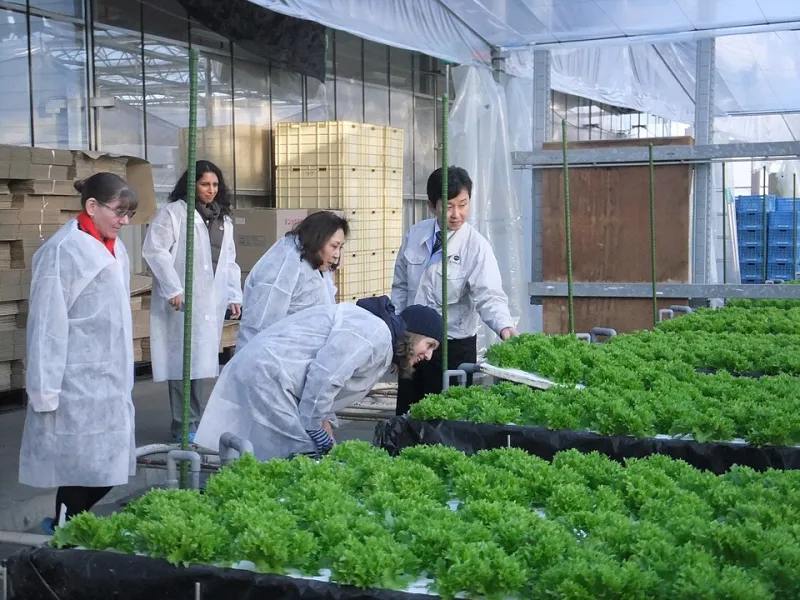
Photo: U.S. Embassy Tokyo Press, Public domain, via Wikimedia Commons
Ask a Japanese chef anywhere in the country where the best ingredients come from, and the answer will almost always include Hokkaido. The island produces roughly a quarter of Japan's agricultural output — dairy, wheat, potatoes, beets, seafood, pork, lamb — and does so across a landscape that looks less like the Japan of postcards and more like a cross between Montana and rural France. Wide open, cold, quietly serious about the land.
Sapporo sits at the center of all of it. The city functions as a kind of distribution hub for Hokkaido's food culture, the place where producers, chefs, and markets converge. For travelers who care about what they eat — and who want to understand why a bowl of corn soup at a Sapporo izakaya tastes fundamentally different from anything you'd find in Tokyo — getting to know the people behind the food is the most direct path there.
Dairy: The Foundation of Hokkaido's Food Identity
Hokkaido produces about half of Japan's milk, and the dairy culture here has a depth that goes well beyond supermarket cartons. Small-scale producers across the island have spent decades developing cheeses, butters, and cultured creams that draw directly on the region's cold climate and grass-fed grazing traditions.
One producer worth knowing is Tokachi Cheese, based in the agricultural heartland southeast of Sapporo. Their aged gouda-style wheels have developed a following among Sapporo chefs who use them the way French kitchens use imported European cheese — as a finishing note, something that carries the flavor of a specific place. You can find Tokachi products at specialty food shops in Sapporo's Maruyama neighborhood and at the Sapporo Central Wholesale Market, which opens limited sections to the public on weekend mornings.
For something closer to the source, the town of Furano — about two hours by train from Sapporo — is home to the Furano Cheese Factory, where visitors can tour production facilities, sample fresh curds, and buy directly from the creamery. It's a day trip that earns its travel time.
Seafood: Cold Water, Complex Flavor
Hokkaido's surrounding seas — the Sea of Japan to the west, the Pacific to the south, the Sea of Okhotsk to the northeast — produce some of the most prized seafood in the world. Sapporo's proximity to the port of Otaru (about 40 minutes by train) means the city's fish counters and sushi restaurants receive morning deliveries that would make a Seattle fishmonger envious.
The sea urchin (uni) from Hokkaido is in a category of its own. The cold water produces a richness and sweetness that warmer-water uni simply doesn't match, and the producers who harvest it — small family operations working out of ports like Shakotan and Rishiri — maintain strict seasonal limits that keep quality high. In Sapporo, the best place to encounter this work directly is Nijo Market, where individual vendors often represent relationships with specific fishing families. Ask where the uni came from. The vendor will almost always know, and will usually tell you more than you asked.
For a more structured experience, Otaru's Sankaku Market (right outside Otaru Station) is a tight cluster of seafood stalls and small restaurants where you can eat what you just watched someone pull out of a case. Go early — by 10 AM, the best items are already going.
Vegetable Growers: Quiet Champions of Hokkaido's Table
Hokkaido's vegetable farmers don't get the same attention as the dairy or seafood producers, but they arguably do more to define the everyday flavor of Sapporo's food. The island's short, intense growing season — compressed by cold springs and early autumns — produces vegetables with concentrated sugars and firm textures. Hokkaido corn, in particular, is eaten raw in the summer by people who've been waiting for it since March.
The Sapporo Farmers Market (held at various locations through the warmer months, with a particularly strong iteration near Odori Park in summer) is the most accessible place to meet growers directly. Vendors here are typically small-scale operators from the surrounding Ishikari Plain, and many speak enough English to walk you through what they're selling and how they grow it. Buying directly from them is the whole point — these aren't wholesale products dressed up for tourists.
For travelers who want to go deeper, several farms on the outskirts of Sapporo offer seasonal farm visits and harvest experiences. Hitsujigaoka Observation Hill, technically a park, also functions as an agricultural demonstration site where you can see Hokkaido's farming traditions in a context that's genuinely educational rather than performative.
The Chefs Who Connect the Dots
Sapporo's restaurant scene has developed a tight relationship with local producers over the past decade, driven partly by a broader farm-to-table movement and partly by the practical reality that Hokkaido ingredients are simply better than the alternatives. Several restaurants in the city have made producer relationships central to their identity.
Molière, a French-Japanese restaurant in the Maruyama district, has long been known for sourcing directly from Hokkaido farms and building menus around whatever the season offers. Sushi Zen, one of the city's most respected sushi counters, maintains direct relationships with fishing families and adjusts its menu on a daily basis based on what came in that morning. These aren't marketing claims — you can see the producer names on the menus.
For a more casual entry point, Ro Ro Ru in central Sapporo serves Hokkaido-focused small plates in a setting that feels more like a neighborhood wine bar than a destination restaurant. The menu changes frequently, and the staff are generally happy to explain where specific ingredients come from.
How to Make This Part of Your Trip
You don't need to build your entire itinerary around food producers to benefit from knowing they exist. Even a single morning at Nijo Market, a detour to Otaru for lunch, or a Saturday visit to the farmers market near Odori Park will give you a different relationship with everything you eat in Sapporo afterward.
The food here isn't remarkable by accident. It's remarkable because specific people, working specific land and specific water, have made decisions over years and decades that accumulate into flavor. That's worth a little of your travel time.