How to Eat Ramen in Sapporo Like You've Done It a Hundred Times
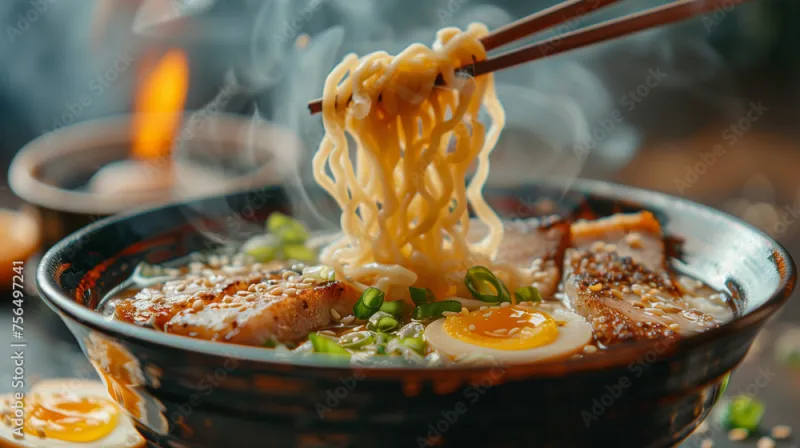
Photo: steaming bowl of miso ramen at small Japanese ramen shop counter Sapporo, via as1.ftcdn.net
There are two ways to eat ramen in Sapporo. The first is to follow a sign, duck into the nearest open stall in one of the famous alleys, point at a picture on the menu, and leave satisfied. Nothing wrong with that. The second way involves a little more intention — understanding what makes Sapporo's ramen genuinely different from what you'd find anywhere else in Japan, knowing how to read a room, and picking your moment carefully. That second approach is what this guide is about.
Sapporo has two main ramen concentrations that visitors gravitate toward: Ganso Sapporo Ramen Yokocho (the original alley) in the Susukino neighborhood, and Shin-Sapporo Ramen Kyowakoku, a newer, larger complex near Sapporo Station. Both are worth visiting, but they offer different experiences — and understanding that difference before you walk in is half the battle.
What Makes Sapporo Ramen Actually Different
Before we talk strategy, let's talk soup. Sapporo has a legitimate claim to one of Japan's most distinctive regional ramen styles, and it's not just marketing. The city's signature bowl is miso ramen — specifically, a rich, deeply savory miso-based broth that's been stir-fried with aromatics before the stock is added. That extra step creates a depth and slight smokiness you won't find in Tokyo shoyu ramen or Hakata tonkotsu.
The noodles matter too. Sapporo-style ramen uses thick, wavy noodles that hold up to the heavy broth and don't turn to mush while you eat. Toppings typically include corn, butter (yes, a pat of butter dropped right into the bowl), bean sprouts, and chashu pork. The butter thing surprises a lot of first-timers, but give it a minute to melt into the broth and then take a sip — you'll understand immediately.
Beyond miso, you'll also find shio (salt-based, cleaner and more delicate) and shoyu (soy sauce-based, somewhere in between) versions at most Sapporo shops. Don't sleep on the shio if you're in the mood for something lighter — Hokkaido's seafood-forward shio broths are exceptional.
Ganso Yokocho vs. Shin Ramen Kyowakoku: Pick Your Vibe
Ganso Sapporo Ramen Yokocho is the original. It's a narrow alley lined with about a dozen tiny shops, each seating maybe eight to twelve people at a counter. The whole thing is barely wide enough for two people to pass each other. It's atmospheric in a way that feels genuinely old — because it is. Many of these shops have been run by the same families for decades.
This is where the "reading the room" part matters. These are small, intimate spaces. When you sit down, you're close to the shop owner or their family member who's cooking. A small nod, a smile, maybe a simple "sumimasen" when you need something — that's the register. You're not expected to be fluent in Japanese, and most shop owners are used to international visitors. But matching the energy of the space (calm, focused, appreciative) goes a long way.
Shin Ramen Kyowakoku near Sapporo Station is newer and more polished. It's bigger, better lit, and easier to navigate if you're not comfortable with the intimacy of the original alley. The ramen is still excellent. Think of it as the difference between a classic jazz bar and a really good jazz venue — both deliver, but the vibe is distinct.
The Unwritten Rules (That Nobody Tells You)
A few things that'll make you look like you know what you're doing:
Don't linger after you finish. Ramen shops, especially in the alley, have limited seats and often a line outside. Eat, enjoy, pay, and move on. This isn't a place to sit and scroll your phone for twenty minutes.
Order decisively. Many shops have simple menus — sometimes just three or four options. Spending five minutes deliberating when there's a queue outside is considered inconsiderate. If you're genuinely unsure, pointing to what the person next to you ordered is completely acceptable and often results in a great choice.
Slurping is not just allowed — it's encouraged. This one surprises Americans every time. Slurping your noodles aerates the broth, cools it slightly, and is a genuine sign of enjoyment. Don't hold back.
Cash is often king in the alleys. The original Yokocho shops frequently don't take cards. Bring yen. There are ATMs at convenience stores nearby.
When to Go (And When to Avoid)
Timing your visit is probably the single biggest factor in the quality of your experience. Here's the honest breakdown:
Weekday lunch (11:30 a.m. to 1 p.m.) is the sweet spot at the original alley. You'll likely get a seat without a long wait, the shop owners are generally in a good rhythm, and the broth has been simmering long enough to be at its peak.
Friday and Saturday nights after 9 p.m. are when the alleys fill with locals coming in after drinking in Susukino. The energy is fun and lively, but waits can stretch to 30-40 minutes for the most popular spots. If you're up for the scene, it's genuinely entertaining. If you just want to eat efficiently, skip it.
Sunday afternoons tend to be the most tourist-heavy. Still worthwhile, but temper your expectations around wait times.
A Few Shops Worth Seeking Out
Without naming every stall (the landscape shifts, and part of the fun is discovering your own favorite), a few general tips: look for shops where the owner is visibly cooking rather than supervising staff — that personal investment tends to show up in the bowl. Shops with handwritten menus and walls covered in decades of photos are usually the ones with history behind them. And if you see locals eating alone at the counter with total concentration, that's a very good sign.
Sapporo's ramen scene rewards curiosity and a little patience. Eat more than one bowl while you're here — the city's compact enough that you can hit two different shops in a single day without much effort. Your second bowl will be better than your first, because you'll know exactly what you're looking for.