How to Do Onsen Without the Anxiety: A Complete First-Timer's Guide for Sapporo Visitors
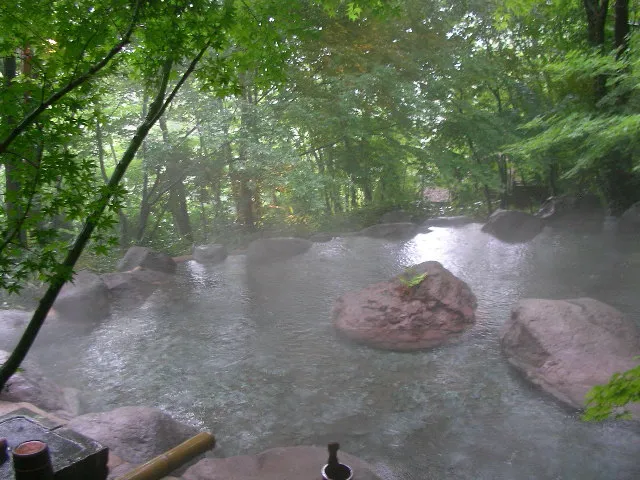
Photo: cytech from Tokyo, Japan, CC BY 2.0, via Wikimedia Commons
Let's be honest: the idea of a Japanese public bath makes a lot of American travelers quietly nervous. The nakedness is one thing. The rules are another. The fear of accidentally committing some unforgivable cultural blunder while a room full of strangers watches? That's the real sticking point.
Here's the thing, though — onsen and sento (public bathhouse) culture is one of the most genuinely relaxing experiences you can have in Japan, and Hokkaido happens to be one of the best regions in the entire country for it. Sapporo sits within easy reach of some extraordinary hot spring towns, and the city itself has neighborhood sento that locals have been using for decades. Once you know the basics, the anxiety evaporates pretty quickly.
This guide is written specifically for first-timers who want to do this right.
Onsen vs. Sento: What's the Difference?
These terms get used interchangeably by tourists, but they're not quite the same thing.
Onsen refers specifically to natural hot spring baths. The water comes from geothermal sources and is rich in minerals — sulfur, iron, sodium chloride, and others depending on the location. Different mineral compositions are said to have different therapeutic effects, though you don't need to worry too much about the science to enjoy soaking in water that smells faintly of eggs and feels like a full-body exhale.
Sento are public bathhouses that use regular heated water rather than natural spring water. They're more common inside Sapporo proper and tend to be neighborhood fixtures — places where locals go after work the way someone in the US might go to the gym. They're cheaper than onsen resorts, less dramatic, and often more interesting from a cultural standpoint.
Both follow the same basic etiquette rules.
The Rules (They're Simpler Than You Think)
The etiquette around onsen and sento is the part that trips people up, but it really boils down to a handful of principles.
Wash before you get in. This is the big one. Every onsen and sento has a washing area with individual stations — a small stool, a handheld shower, shampoo, and body soap. You sit down, wash yourself thoroughly, rinse off completely, and then you enter the communal bath. The bath itself is for soaking, not cleaning. Going in without washing first is considered genuinely rude, not just a faux pas.
No towels in the bath. You can bring a small towel into the bathing area to use at your washing station, but it doesn't go in the water. Most people fold it and balance it on their head while soaking, which looks odd until you do it and realize it's actually quite practical.
Tattoos are complicated. Many traditional onsen in Japan have policies against visible tattoos, a legacy of the historical association between tattoos and organized crime. This is changing — especially at larger resort facilities and some urban sento — but it's worth checking before you go. Some places offer private bath options (kashikiri-buro) that sidestep the issue entirely.
Keep the noise down. Onsen culture is meditative. Conversations happen, but they're quiet. Splashing around, dunking your head, or treating the bath like a pool will get you some pointed looks.
Men's and women's baths are separate. In most facilities, baths are divided by gender. Some resort onsen have mixed-gender outdoor baths (rotenburo), but these are the exception rather than the rule.
Best Sento Inside Sapporo City
If you want to experience public bathing without leaving the city, Sapporo has a number of neighborhood sento that welcome visitors.
Tsuruma-yu, in the Shiroishi area, is a classic example — old-school tiled interior, local regulars, and a no-frills atmosphere that feels genuinely authentic. Entry fees are typically around 500 yen, and most sento will rent you a towel if you don't have one.
Fuji-yu, closer to Sapporo's central wards, is another long-running neighborhood bath that's slightly more accessible for first-timers, with clear signage in the changing area.
For a more upscale urban onsen experience, Onyado Nono Sapporo near Sapporo Station offers natural hot spring water piped directly into the facility — genuinely unusual for a city-center location — along with a range of different bath types.
Day Trips to Mountain Onsen Towns
This is where things get really good. Within an hour of Sapporo, you have access to some of Hokkaido's finest hot spring destinations.
Jozankei Onsen is the closest and most popular — about forty minutes by bus from the city center. It sits in a forested river valley, and the ryokan (traditional inn) district has a string of facilities open to day visitors. The Hoheikyo area nearby is particularly beautiful in winter, when the trees are weighted with snow and the outdoor baths steam visibly in the cold air. Day-use rates at most Jozankei facilities run between 800 and 1,500 yen.
Noboribetsu Onsen, about ninety minutes from Sapporo by train, is one of the most famous onsen towns in all of Japan. It sits near Jigokudani ("Hell Valley"), a volcanic crater landscape that produces the geothermal activity powering the town's baths. The sulfur smell is intense; the bathing is extraordinary. Multiple facilities offer day-use access.
Shikotsu Kohan, near Lake Shikotsu, offers a quieter alternative with a handful of ryokan and smaller bath facilities set against a dramatic volcanic lake backdrop.
What to Bring (And What to Leave Behind)
Most onsen and sento sell or rent everything you need on-site. But if you want to come prepared:
- A small towel (tenugui) for the bathing area
- A larger towel for drying off afterward
- Shampoo and body wash (though most places provide these)
- Cash — many smaller sento don't take cards
Leave your phone in the locker. Photography inside bathing areas is strictly prohibited.
First-Timer's Honest Verdict
The first five minutes of your first onsen experience will probably feel awkward. That's completely normal. By the time you've settled into a hot mineral bath with snow falling outside and a view of a cedar forest, you will not be thinking about awkwardness anymore.
This is one of those travel experiences that sounds better in retrospect but is actually even better in the moment. Don't skip it.