Getting Around Sapporo When You Don't Speak Japanese: An Honest Traveler's Guide
Let's be upfront about something: Sapporo is not Tokyo. It doesn't have the same density of English signage, bilingual menus, or tourist infrastructure that Japan's capital has spent decades building. But here's the thing — it's also not nearly as intimidating as it might look on paper. With a little preparation and a willingness to fumble through things gracefully, you can eat incredibly well, get where you're going, and have genuinely warm interactions with locals, all without speaking a word of Japanese.
This guide is built around the questions travelers actually ask before they arrive.
The Transit System Is Your Best Friend (Once You Understand It)
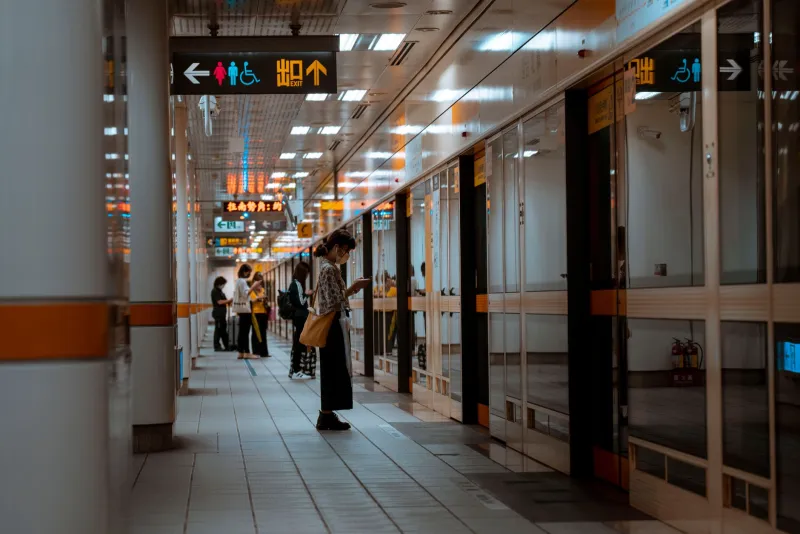
Sapporo has a clean, reliable subway system with three lines — the Namboku, Tozai, and Toho lines — and station names are posted in both Japanese and romanized English at every platform and on every train. Fare machines have an English-language option, and the IC card system (look for the Sapica card, or pick up a Suica card before you leave Tokyo) makes the whole thing nearly frictionless. Tap on, tap off, done.
For buses, things get a bit murkier. Routes are less consistently labeled in English, and schedules can be tricky to interpret. The honest advice: use buses for specific tourist corridors (like the route to Jozankei hot springs) where English maps are available, and stick to the subway or taxis for everything else.
Taxis in Sapporo are metered, clean, and driven by people who will not rip you off. If you're coming in from New Chitose Airport, the airport express train (the Rapid Airport) is your best bet — it runs directly to Sapporo Station in about 37 minutes and is clearly signed throughout.
Quick tip: Download Google Maps before you land and use it in offline mode. It handles Sapporo's transit system well and will tell you exactly which subway line to take and where to transfer.
Ordering Food Without a Menu (Or With One You Can't Read)
This is where a lot of first-timers feel the most anxiety, and it's also where Sapporo surprises people the most.
First, the good news: a huge percentage of restaurants in the city use plastic food displays in their windows or photo menus at the table. Point at what looks good. This works. It has always worked. Nobody thinks it's rude.
For ramen shops — and you should eat a lot of ramen here, because Sapporo's miso ramen is genuinely world-class — many spots use vending machine-style ticket systems at the door. You put in your money, press the button with the picture you want, and hand the ticket to the staff. Zero conversation required.
For sit-down restaurants without photo menus, the phrase "Osusume wa nan desu ka?" (What do you recommend?) goes a long way. Even if the response comes back entirely in Japanese, the server will usually point at something on the menu or bring out whatever they're proud of that day. Trust them. It's almost always worth it.
Google Translate's camera function can scan and translate printed menus in real time — it's not perfect, but it's good enough to tell you whether you're ordering pork or fish.
Finding Accommodation That Works for English Speakers
Sapporo has a solid range of hotels with English-capable front desk staff, particularly in the downtown Odori and Susukino areas. International chains (ANA Crowne Plaza, JR Tower Hotel Nikko) are reliable bets if you want guaranteed English support. But don't overlook the mid-range business hotels like Dormy Inn or the Vessel Hotel Campana — staff there tend to be used to international guests and often have someone on shift who can help in English.
If you're considering a guesthouse or smaller ryokan, email ahead and ask about English communication. Most will respond in English and will tell you honestly what they can and can't accommodate. The ones that say yes tend to mean it.
Booking tip: Use the notes field when you reserve to mention you're an English-speaking traveler. Many properties will flag your reservation and make sure someone is available when you check in.
Asking for Help: The Secret Weapon You Already Have
Here's something nobody tells you enough: Sapporo residents are remarkably willing to help lost tourists, even when the language barrier is real. If you're standing on a corner looking confused at your phone, there's a decent chance someone will stop and ask if you need directions — in halting English, with a lot of gesturing, and with genuine effort.
Younger locals, university students especially, often have functional conversational English and are usually happy to use it. The area around Hokkaido University is particularly good for this.
When you need to ask for help, keep it simple. One question at a time. Speak slowly and clearly (not loudly — that doesn't help). Use your phone to show maps or typed translations. And if someone helps you, a genuine "arigatou gozaimasu" (thank you very much) with a small bow goes a long way toward making the whole interaction feel human.
Apps and Tools Worth Having
- Google Maps — handles transit routing well for Sapporo
- Google Translate — especially the camera/photo translation feature
- DeepL — better than Google for nuanced translation if you need to write something out
- Tabelog — Japan's Yelp equivalent; use Google Translate on the page to read reviews
- Hyperdia — useful for train schedules if you're doing day trips
A Few Things That Will Make Your Life Easier
- Carry a small amount of cash at all times. Some smaller restaurants and most traditional markets are still cash-only.
- Convenience stores (7-Eleven, FamilyMart, Lawson) are your best friend for snacks, ATMs that accept foreign cards, and surprisingly decent meals.
- If you're eating somewhere and you have dietary restrictions, consider printing a small card in Japanese that explains them. Several services online will generate these for free.
- The tourist information center inside Sapporo Station has English-speaking staff and free maps. Stop in early in your trip.
The Bottom Line
Sapporo isn't going to hand you a perfectly translated experience around every corner — and honestly, part of what makes it worth visiting is that it hasn't been sanded down into a fully tourist-ready package. But the city is genuinely welcoming, increasingly accessible, and full of people who will make a real effort to help you feel at home. Come prepared, stay flexible, and don't be afraid to point at things. You'll be fine.