What Sapporo Locals Actually Do in Winter (And How You Can Do It Too)
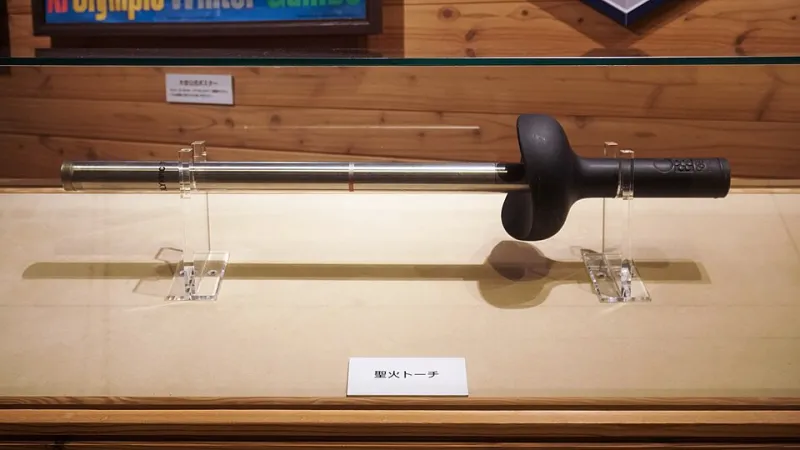
Photo: 掬茶, CC BY-SA 4.0, via Wikimedia Commons
Every February, roughly two million visitors descend on Sapporo for the Yuki Matsuri — and honestly, fair enough. Giant ice sculptures lit up against a Hokkaido night sky are hard to argue with. But ask anyone who actually lives here, and they'll tell you the Snow Festival is kind of like Times Square on New Year's Eve: impressive, crowded, and not exactly how they're spending their Tuesday night.
Sapporo's real winter culture runs quieter and deeper than the tourist circuit lets on. If you've got a few extra days — or you're simply the kind of traveler who likes to wander off the map — here's where the season actually lives.
The Neighborhood Ice Competitions Nobody Talks About
While Odori Park gets all the attention, smaller ward-level ice and snow sculpture contests pop up across the city throughout January and February. Neighborhoods like Shiroishi and Higashi put on their own community events, where local businesses, school groups, and families carve and stack their way through the weekend. The results range from surprisingly polished to gloriously chaotic, and the whole vibe feels more like a block party than a ticketed attraction.
These events aren't heavily promoted in English, but that's part of the charm. Walk through a residential neighborhood on a weekend morning and follow the sound of chisels and laughter. You'll likely stumble into something worth stopping for — and someone will almost certainly offer you a cup of amazake (a warm, lightly sweet fermented rice drink) before you leave.
Warming Up the Old-Fashioned Way: Sapporo's Historic Onsen
After a few hours outside in temperatures that can dip well below freezing, Sapporo locals do what they've been doing for generations: they find hot water and stay in it for a while.
The city isn't technically an onsen town the way Noboribetsu or Jozankei are, but it's surrounded by them — and Jozankei, just 45 minutes from downtown by bus, is the most accessible. The hot spring village there feels genuinely timeless, especially in winter when the steam rises off outdoor baths against a backdrop of snow-covered cedar trees. It's the kind of scene that feels like it belongs on a postcard, except you're actually sitting in it.
For something closer to the city center, Sapporo also has a strong sento (public bathhouse) culture. Places like Norbesa Onsen and the bathhouses tucked into older residential neighborhoods offer a more everyday version of the same restorative ritual. Bring a small towel, follow the posted rules (tattoo policies vary), and settle in. No one's in a hurry.
Soup Curry Season Is a Real Thing
Sapporo invented soup curry — a thinner, spice-forward cousin of Japanese curry that's become a full-on local obsession — and winter is when the city leans into it hardest. Locals have strong opinions about their favorite spots, and debates about broth depth, spice level, and chicken-versus-lamb can go on for a while.
The Susukino and Hokkaido University neighborhoods are good hunting grounds. Look for hand-written signs, small storefronts, and lines of people who clearly know something you don't. Soup Curry Garaku and Lavi are well-known names, but half the fun is finding a place that's just yours — a counter with six seats, a chef who's been making the same recipe for twenty years, and a bowl that warms you from the inside out.
Skating Where the Locals Actually Skate
Odori Park sets up a skating rink each winter, and it's a solid option if you're already in the area. But the spots where locals actually lace up tend to be the indoor rinks at community sports centers, or — if the season cooperates — the frozen ponds in Maruyama Park and Makomanai.
Makomanai is particularly worth knowing about. The area hosted events during the 1972 Sapporo Winter Olympics and still has a working speed skating oval that opens to the public during certain hours. Skating where Olympic athletes once competed, surrounded by Sapporo families on a Sunday afternoon, is a pretty specific kind of cool.
The Quiet Ritual of a Winter Morning Market
Sapporo's Nijo Market operates year-round, but winter mornings there feel different. The crowds thin out, the vendors are more relaxed, and the seasonal haul — snow crab, uni, fresh salmon, root vegetables that only make sense in cold weather — is at its peak. Show up around 8 a.m., before the tour groups arrive, and you'll find fishmongers who are genuinely happy to chat (in whatever combination of Japanese, English, and hand gestures gets the job done).
It's not a performance. It's just Tuesday for them — which is exactly the point.
A Note on Dressing for It
This might seem obvious, but it bears saying: Sapporo winters are serious. The city gets more snowfall than almost anywhere else its size in the world. Locals dress in proper insulated layers, waterproof boots with actual grip, and hand warmers tucked into pockets. If you show up in a fashion parka and sneakers, you'll survive — but you won't enjoy the outdoor parts nearly as much.
Hotels and convenience stores sell heat packs (kairo) for a dollar or two. Buy several. You'll thank yourself.
Getting Into the Winter Mindset
The thing about Sapporo in winter is that locals don't fight it. They've built an entire lifestyle around the cold — the food, the bathhouse culture, the community events, the long evenings in warm izakayas. There's a word in Japanese, fuyugomori, that loosely translates to hibernating or hunkering down for winter, but in Sapporo it's less about hiding and more about savoring.
If you come here with that mindset — slow down, get cold, find warmth, repeat — you'll leave with something the Snow Festival crowds rarely get: a real sense of what this city is actually like.