Hops, Miso, and Hokkaido: A Craft Beer and Food Trail Through Sapporo's Best Neighborhoods
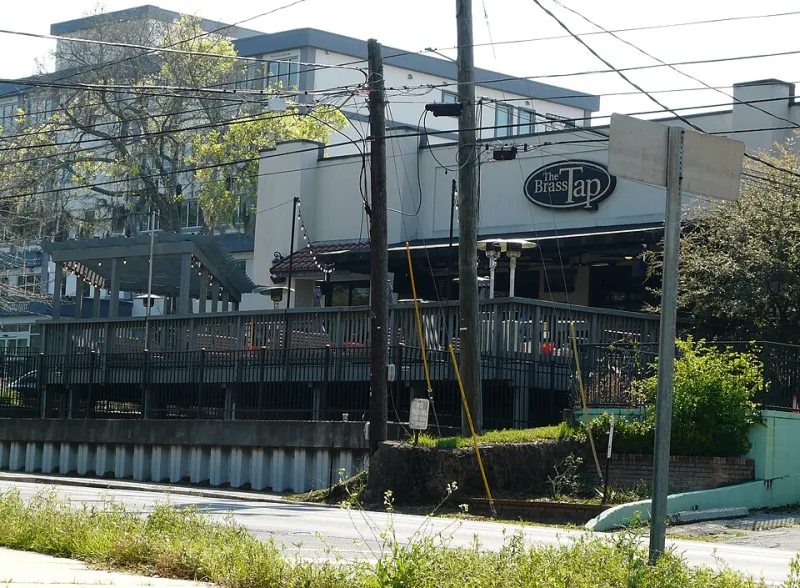
Photo: The Bushranger, CC BY-SA 4.0, via Wikimedia Commons
Sapporo has a brewing heritage that stretches back to 1876, when the Hokkaido Development Commission decided the northern frontier needed a proper lager. That original brewery eventually became Sapporo Beer — one of Japan's most recognized brands worldwide. For a long time, that legacy was both a blessing and a ceiling. The city was famous for beer, sure, but mostly one kind.
That ceiling has been blowing off for the past decade. A new wave of small-batch breweries has taken root across Sapporo's neighborhoods, and they're doing something genuinely interesting: making beer that tastes like Hokkaido. That means drawing on local ingredients — Hokkaido barley, regional honey, foraged botanicals, even kelp from the surrounding sea — and designing flavor profiles that work in conversation with the island's extraordinary food culture.
For American craft beer fans who have done the Portland trail or worked their way through Denver's tap rooms, Sapporo offers something different: a beer scene still young enough to feel exciting, paired with a food culture that might be the most underrated in all of Japan.
Here's where to start.
Why Hokkaido's Ingredients Make the Difference
Before we get into specific spots, it helps to understand why Sapporo's craft beer scene has legs beyond novelty. Hokkaido produces roughly a third of Japan's agricultural output. The dairy is exceptional, the barley and wheat are high quality, and the cold climate creates growing conditions that produce ingredients with concentrated, clean flavors.
Those same conditions shape the local food culture. Hokkaido miso — particularly the red and blended varieties used in Sapporo-style ramen — is richer and more complex than the lighter misos common in western Japan. The seafood (crab, sea urchin, scallops, salmon) is among the freshest you'll find anywhere in the country. The lamb, the corn, the potatoes — everything here has a directness of flavor that pairs naturally with beers that have some backbone to them.
Craft brewers in Sapporo know this, and the best of them are leaning into it hard.
Susukino: Where the Night Starts
Susukino is Sapporo's entertainment district — think a cleaner, less chaotic version of Tokyo's Shinjuku, with better ramen. It's the obvious starting point for any food and drink crawl, and it delivers.
Bar Barleys, tucked into a narrow building a few blocks from the main Susukino crossing, keeps a rotating tap list that leans heavily toward local Hokkaido breweries. The staff are knowledgeable and, importantly for international visitors, several speak enough English to walk you through the selections. Order the Hokkaido IPA from whichever local brewery they're featuring that week, and pair it with a bowl of miso ramen from one of the neighboring shops — the bitterness of a well-made IPA cuts cleanly through the richness of Sapporo-style miso broth in a way that feels almost designed.
For something more substantial, the jingisukan lamb restaurants scattered through Susukino are a natural match for darker, maltier beers. A smoky porter or a brown ale alongside grilled lamb with a dipping sauce of soy and ginger? That's a pairing that holds up to anything you'd find in a craft beer cookbook back home.
Kita Ward: The Low-Key Craft Hub
Head north from the city center and the vibe shifts. Kita (North) Ward has a more residential, neighborhood feel, and that's exactly where some of Sapporo's most interesting brewing projects have set up shop.
Okhotsk Draft, a small-batch operation inspired by the Sea of Okhotsk to Hokkaido's northeast, produces a saison brewed with locally harvested sea vegetables that is genuinely unlike anything most American beer drinkers will have encountered. It's earthy, slightly briny, with a dry finish that makes it an extraordinary match for fresh Hokkaido scallops — whether grilled simply with butter or served raw as sashimi. If you're a fan of farmhouse ales or experimental saisons from places like Hill Farmstead or Jester King, this is your spot.
The brewery taproom is small and fills up fast on weekends, so a weekday afternoon visit is the move. Bring cash — many smaller Sapporo establishments still run cash-only.
Odori and the City Center: Soup Curry and Sessionable Beers
Soup curry is one of Sapporo's most distinctive contributions to Japanese cuisine — a thin, aromatic curry broth loaded with whole vegetables and a protein (usually chicken leg, lamb, or tofu), meant to be eaten by dipping the rice into the soup rather than mixing it together. It's warming, complex, and deeply satisfying without being heavy.
It also pairs beautifully with sessionable, lower-ABV beers. The Sapporo Beer Museum, located in the historic red-brick brewery building near Odori, is the obvious tourist stop — and it's worth visiting for the history and the fresh Sapporo Classic on draft, which tastes noticeably better here than from a can. But right around the corner, a handful of newer taprooms have opened that pour local craft options alongside the classics.
Look for wheat beers and Kölsch-style lagers when you're eating soup curry. The lighter body and gentle carbonation clean the palate between spoonfuls without competing with the curry's spice profile. It's a more subtle pairing than the ramen-IPA combo, but it rewards attention.
Nishi Ward: Dairy Country in a Glass
Hokkaido dairy is famous across Japan, and a few Sapporo brewers have started experimenting with milk stouts and cream ales made with locally sourced lactose and milk sugars. Nishi Ward has a couple of small bottle shops and taprooms that specialize in these styles, and they're worth seeking out even if milk stouts aren't usually your thing.
Pair a well-made Hokkaido milk stout with a dessert of soft-serve ice cream made from local milk — a combination that sounds indulgent but actually works because both are expressing the same underlying ingredient. It's the kind of hyper-local, ingredient-driven pairing that food writers get excited about, and Sapporo is quietly building the infrastructure to deliver those experiences consistently.
Practical Notes for the Beer-Focused Traveler
Sapporo's craft scene is still growing, which means tap lists change frequently and some smaller operations keep irregular hours. Following local brewery accounts on Instagram (most post in Japanese but the photos tell the story) is the best way to stay current.
The Hokkaido Food & Craft Beer Festival, held each summer in Odori Park, is the single best opportunity to sample a wide range of local breweries in one place. If your trip timing allows it, plan around this event.
Budget-wise, craft beer in Sapporo runs slightly cheaper than comparable pours in Tokyo, and the food is dramatically more affordable. A full evening of brewery-hopping with proper food pairings at each stop will run you less than a comparable night in most American craft beer cities.
Sapporo built its identity on one great beer. What's happening now is something more interesting: a whole city learning to drink like it lives here.