Skip the Hotel: Why Renting an Apartment in Sapporo Changes Everything About Your Trip
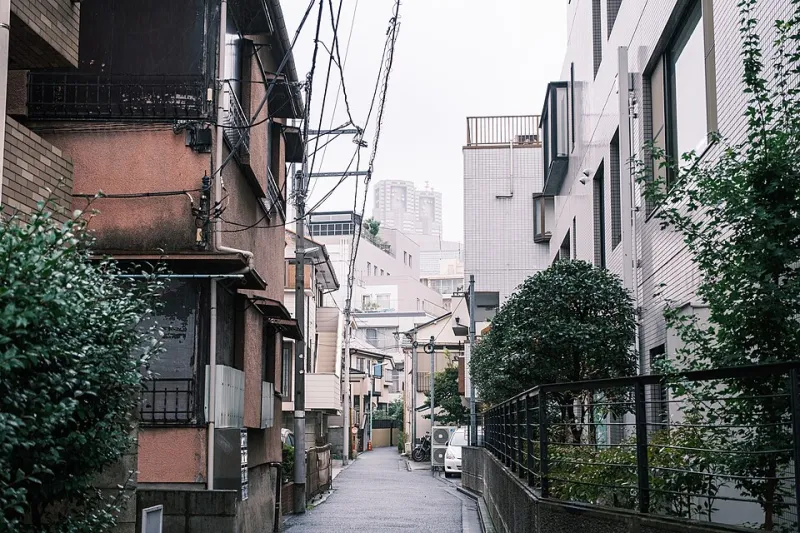
Photo: Real Estate Japan, CC BY 2.0, via Wikimedia Commons
Most travelers to Sapporo book a hotel near Susukino or Odori, spend a few days hitting the highlights, and fly home having seen the city but never quite felt it. That's a perfectly reasonable way to travel. It's also a little like visiting New Orleans and never leaving Bourbon Street.
If you want to understand Sapporo the way people who live here understand it — the rhythm of a weekday morning, the particular calm of a residential street after dark, the way neighbors nod at each other outside the laundromat — you need to stay somewhere that actually looks like Sapporo. That means an apartment.
Short-term rentals in Sapporo have expanded significantly over the last several years, and the options available to US travelers now range from polished serviced apartments near the city center to older, characterful guesthouses tucked into quieter residential wards. Getting it right takes a little homework, but the payoff is a trip that feels genuinely different.
Where to Look (And What to Watch Out For)
The most accessible platforms for American travelers are Airbnb and Booking.com, both of which have solid Sapporo listings with English-language interfaces. For longer stays — think two weeks or more — it's worth checking out Sakura House and Monthly Mansion Tokyo (which covers Hokkaido properties despite the name). These cater specifically to extended-stay guests and often include furniture, basic cookware, and Wi-Fi as standard.
A few things to keep in mind before you book:
- Registered vs. unregistered rentals: Japan requires short-term rental operators to be licensed under the Minpaku Law. Listings on major platforms are generally compliant, but if you're sourcing a place through a local agency or a less-familiar site, ask directly whether the property is registered. It matters for your protection as much as anything else.
- Check-in flexibility: Many Sapporo apartments — especially smaller, owner-operated ones — don't have 24-hour front desks. Key handoffs sometimes happen through lockboxes or pre-arranged meeting times. Confirm this before you land, especially if you're arriving on a late flight from the US.
- Deposits and fees: Unlike US vacation rentals, Japanese short-term apartments occasionally include a small cleaning fee or, for longer stays, a refundable security deposit. Nothing alarming, but factor it in.
The Neighborhoods Worth Living In
Where you stay shapes everything, so this decision deserves more thought than most travelers give it.
Maruyama is the first neighborhood worth considering. It sits west of central Sapporo, close to Maruyama Park and the city zoo, and it has the kind of lived-in, tree-lined feel that makes you want to walk everywhere. There's a strong concentration of independent cafes, bakeries, and small restaurants here — the kind of places that don't bother with English menus because they don't need to. Apartment availability is decent, and the subway connection to the city center is straightforward.
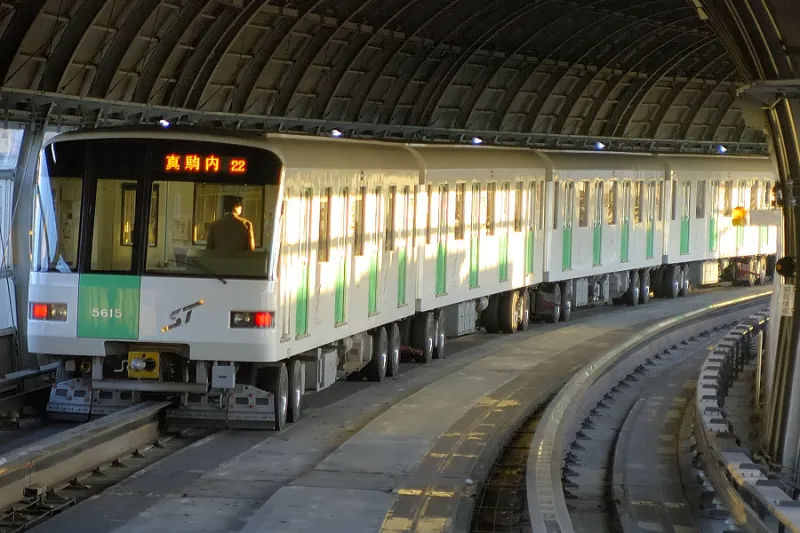
Kotoni and Hassamu, further west along the Tozai Line, are less polished but genuinely residential in a way that central neighborhoods aren't. You'll find larger supermarkets, quieter streets, and a slower pace. Rents (and therefore short-term rates) tend to be lower here, making them smart choices for budget-conscious travelers who don't mind a slightly longer commute.
Chuo-ku covers central Sapporo, including Odori and the area around Sapporo Station. It's the most convenient option and not without charm, but it's also where most tourists already stay. If you want the apartment experience without sacrificing walkability, look for listings on the northern or eastern edges of Chuo-ku, where residential streets start to appear between the commercial blocks.
Grocery Shopping Is Half the Point
One of the genuine pleasures of staying in an apartment in Sapporo — especially for food-obsessed travelers, which, if you're reading this site, probably describes you — is access to the city's neighborhood grocery stores.
Chains like Seicomart (a Hokkaido institution), Arcs, and Coop Sapporo stock an extraordinary range of local products: Hokkaido dairy, fresh seafood from the morning markets, locally grown vegetables, and prepared foods that rotate seasonally. Shopping here isn't a chore. It's a low-key education in what Hokkaido actually eats.
For a bigger haul, the Nijo Market area and the underground shopping arcades near Odori Station offer fresh produce and specialty items that are worth building a meal around. Having a kitchen means you can actually use what you buy.
Laundry, Quiet Hours, and Other Things Nobody Tells You
A few cultural notes that will make apartment life smoother:
Most Sapporo apartments — even furnished short-term ones — include a washing machine but not a dryer. Hanging laundry to dry is standard practice, and most units have a designated drying area, either on a small balcony or near a window. In winter, indoor drying racks are common. Don't be surprised; just go with it.
Noise considerations matter more in Japanese apartment buildings than in many US rentals. Thin walls, quiet hours that start around 10 PM, and a general expectation of considerate behavior are all real. This isn't a burden — it's part of what makes residential Sapporo feel peaceful — but it's worth knowing before you arrive with a group.
Trash disposal follows a strict schedule in Sapporo, with different days designated for burnable waste, recyclables, and non-burnables. Your host should provide this information. If they don't, ask. Neighbors notice, and getting it right is a small but genuine act of respect.
Why It's Worth the Extra Planning
Booking an apartment in Sapporo takes more effort than reserving a hotel room. There's more to read, more to confirm, and more to figure out once you arrive. But what you get in return is access to a version of the city that most visitors never see — a Sapporo of evening walks to the corner store, weekend mornings at the neighborhood park, and meals cooked from ingredients you picked out yourself at a market where you were the only foreigner in the building.
That's not a minor upgrade. For a lot of travelers, it's the whole reason to come.