Beyond the Tourist Bubble: The Real Sapporo Neighborhoods Worth Getting to Know
Photo: RJD, CC BY 3.0, via Wikimedia Commons
There's a version of Sapporo that most visitors see: Odori Park, the Clock Tower, maybe a bowl of miso ramen near the station, and a late-night wander through Susukino. It's a fine trip. But it's a little like visiting New York City and only seeing Times Square.
The real city—the one where people actually wake up, grab coffee, argue about which ramen shop is better, and spend their Sunday afternoons—lives in the neighborhoods. And those neighborhoods are surprisingly easy to get to, welcoming to visitors, and full of the kind of low-key, authentic experiences that make travel actually memorable.
Here's a look at some of Sapporo's most livable, most interesting districts, and what you'll find if you take the time to explore them.
Maruyama: The Brooklyn of Sapporo (Without the Attitude)
If you ask Sapporo locals where they'd live if money were no object, a lot of them will say Maruyama. It's easy to see why. The neighborhood sits just west of the city center, anchored by Maruyama Park—a massive green space that turns electric pink during cherry blossom season and becomes a full-on local gathering spot in summer. There's a zoo nearby that families love, and the Hokkaido Shrine sits at the park's edge, adding a quiet, ceremonial presence to the whole area.
But what makes Maruyama feel special isn't any single landmark. It's the streets around it. You'll find independent coffee shops with hand-poured everything, bakeries that take their sourdough seriously, wine bars that feel like they belong in a food-forward American city, and boutique clothing stores run by people who clearly care a lot about what they're selling. The whole neighborhood has a creative, slightly upscale energy without being pretentious about it.
For visitors, Maruyama is a great place to base yourself if you want a quieter alternative to the hotel-heavy downtown area. There are small guesthouses and rental apartments tucked throughout the neighborhood, and the subway connection to central Sapporo is fast and simple. Spend a morning walking the park, grab lunch at one of the local spots on Maruyama Nishi-machi, and you'll start to feel like a resident pretty quickly.
##円山西町 and the Quiet Streets Nobody Talks About
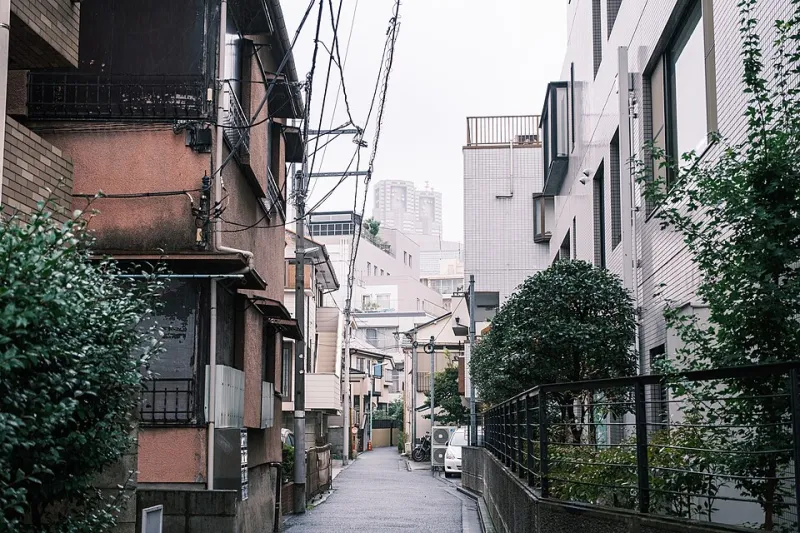
Just beyond Maruyama's core, the streets get quieter and more residential. This is where you'll find local families going about their actual lives—kids walking to school, elderly neighbors chatting outside convenience stores, people walking dogs past small temples and community gardens. It's not glamorous. That's exactly the point.
Wandering these blocks without a specific destination is one of the more underrated things you can do in Sapporo. Stop into a neighborhood sento (public bath) if you can find one open. Grab an onigiri from a small konbini and eat it on a park bench. It sounds simple, but this kind of unhurried observation is how you actually start to understand what a city is made of.
Susukino: More Than Just a Night Out
Most visitors know Susukino as Sapporo's entertainment district—the place with the neon signs, the izakayas, the late-night ramen counters, and the general feeling that something interesting is always about to happen. And all of that is true. But Susukino also has a daytime identity that often gets overlooked.
During the day, the neighborhood is home to a solid mix of record shops, vintage clothing stores, small bookstores, and specialty food spots that cater to locals rather than tourists. There's a covered shopping arcade called Tanuki Koji that runs through the heart of the area—it's been around since the 1870s and still has a genuinely eclectic mix of shops that feels nothing like a mall.
For food specifically, Susukino might be the most interesting neighborhood in the city. The density of good eating options is remarkable: everything from high-end Hokkaido seafood counters to tiny curry shops that seat eight people to yakitori stands that have been run by the same family for decades. If you're serious about eating well in Sapporo, plan to spend real time here—not just after dark, but starting from lunch.
Jozankei: When You Need to Get Out of the City (But Not Really)
Technically, Jozankei isn't a Sapporo neighborhood in the traditional sense—it's a small onsen town about an hour's drive from the city center, nestled in a river valley in the mountains. But it falls within Sapporo's city limits, and locals treat it as an extension of their own backyard.
In fall, the maple and birch trees along the Toyohira River turn every shade of orange, red, and gold imaginable, and Jozankei becomes genuinely stunning. In winter, the snow is deep and the outdoor baths feel like a reward for surviving the cold. Summer brings hikers and day-trippers looking to escape the city heat.
For visitors, Jozankei offers something rare: a traditional Japanese onsen experience without the need to travel to a completely different region. Several ryokan (traditional inns) here welcome guests for a night or two, and a stay in one—with multi-course kaiseki meals and communal baths fed by natural hot springs—is one of the more memorable things you can do during a Sapporo trip. It's a world away from the downtown hotel scene, in the best possible way.
Kotoni and Teine: Where Regular Life Actually Happens
West of the city center, neighborhoods like Kotoni and Teine don't show up in many travel guides. That's because there's no single attraction pulling people there—just the ordinary rhythm of a Japanese city doing its thing. Supermarkets, family restaurants, community centers, parks where kids play after school.
If you're the kind of traveler who finds that stuff interesting (and plenty of people do), these neighborhoods are worth an afternoon. Hop on the JR Hakodate Line heading west and get off at a stop you've never heard of. Walk around. See what's there. The lack of a plan is the point.
How to Actually Experience These Places
The easiest way to connect with Sapporo's residential neighborhoods is to stay in one. Short-term apartment rentals are widely available in areas like Maruyama and Susukino, and the difference between sleeping in a local neighborhood versus a downtown hotel is significant. You'll shop at the same grocery stores as residents, eat breakfast at the same coffee shops, and develop a sense of the city's geography that's hard to get any other way.
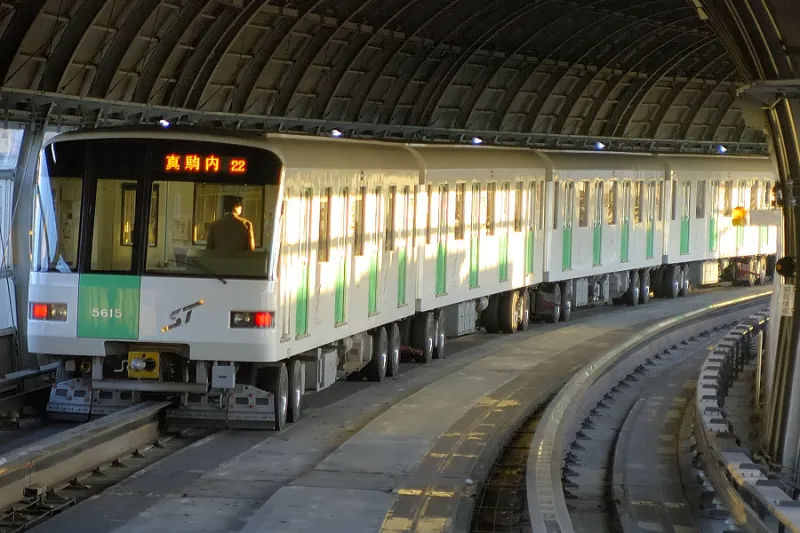
Beyond accommodation, just slow down. Sapporo's neighborhoods reward wandering. The subway system makes it easy to move between areas without a car, and most neighborhoods are compact enough to explore on foot once you arrive. Bring a decent pair of walking shoes, download an offline map, and give yourself permission to get a little lost.
The tourist version of Sapporo is perfectly good. But the neighborhood version? That's where the city actually lives.