Forget the Famous Stuff: Why Sapporo Might Be the Most Genuinely Japanese City You'll Ever Visit
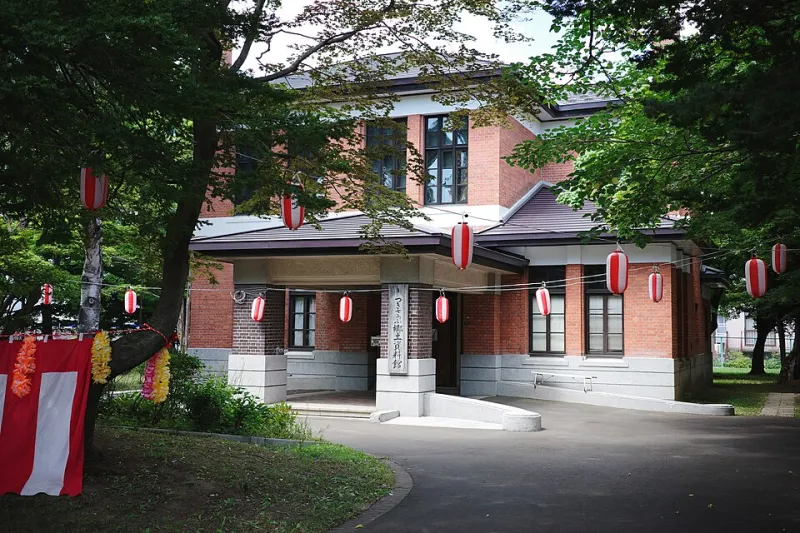
Photo: MIKI Yoshihito, CC BY 2.0, via Wikimedia Commons
Here's a thought that might ruffle a few feathers: Kyoto is beautiful, historic, and absolutely worth visiting — but it might not be the best place to actually understand Japan.
That's not a knock on Kyoto. The temples are stunning. The preserved machiya townhouses are genuinely moving. But when you're navigating crowds of international tourists, paying premium prices at restaurants that have been TripAdvisor-optimized within an inch of their lives, and watching a geisha district that functions more as a photo backdrop than a living neighborhood — it's worth asking what you're actually experiencing.
Sapporo doesn't have that problem. And the reason it doesn't have that problem is the same reason most travelers overlook it in the first place.
The Youngest Major City in Japan (And Why That's a Feature, Not a Bug)
Sapporo is young by Japanese standards — genuinely, almost shockingly young. The city as we know it was essentially built from scratch in the 1870s, when the Meiji government decided to develop Hokkaido as a frontier territory. They brought in American agricultural advisors, laid out a grid-style city plan that still shapes the downtown today, and built a modern urban center that had no particular obligation to look like anywhere else in Japan.
That youth means Sapporo has no preserved historical district to commodify. There's no Ancient Quarter to rope off and sell tickets to. What the city has instead is just... itself. Neighborhoods where people actually live. Markets where locals actually shop. Restaurants that have been open for forty years not because they're famous, but because the neighborhood needs them.
For a traveler from the US, this might actually be easier to recognize than you'd think. Imagine visiting a city like Portland or Denver — places with real local culture, real food scenes, real communities — versus visiting a theme park version of American small-town life. One of those experiences tells you something true. The other tells you something packaged.
Sapporo is the Portland. Most of Japan's famous tourist destinations, at this point, are closer to the theme park.
What Authenticity Actually Means When You're Traveling
The word "authentic" gets thrown around so much in travel writing that it's basically lost all meaning. Every tour company promises authentic experiences. Every guidebook claims to reveal the real version of wherever you're going. It's noise.
But there's a useful way to think about it: authentic culture is culture that exists for the people who live in it, not for the people visiting it. It's not staged. It's not optimized. It changes and adapts because life changes and adapts, not because a tourism board decided it needed refreshing.
By that definition, Sapporo is about as authentic as it gets.
Walk through Tanukikoji — the covered shopping arcade that runs through central Sapporo — on a Tuesday afternoon, and you're not walking through a tourist attraction. You're walking through a place where locals buy shoes, grab lunch, pick up dry cleaning, and argue about which ramen shop has gotten worse since the ownership changed. The arcade has been there since the Meiji era, but it hasn't been frozen in time. It's just kept being useful.
Or spend a morning at Nijo Market, a short walk from Odori Park, where vendors sell fresh seafood, produce, and Hokkaido dairy products to a crowd that's mostly made up of people who actually cook. Yes, tourists show up. But the market doesn't exist because of tourists. That distinction matters more than it might seem.
The Comparison That Changes How You See Both Cities
Spend a few days in Sapporo before or after a trip to somewhere like Kyoto or Nara, and something interesting happens: the famous places start to feel like exhibits, while Sapporo starts to feel like context.
In Kyoto's Arashiyama district, you can queue up to walk through a bamboo grove that's been photographed so many millions of times it barely registers as real anymore. In Sapporo's Maruyama neighborhood, you can wander through a forested park where older residents do their morning tai chi and kids chase each other between the trees, and the whole thing feels so unstudied and unperformed that it almost catches you off guard.
Neither experience is wrong. But only one of them tells you something about how Japanese people actually live.
The same logic applies to food. Sapporo's ramen scene — miso-based, rich, built for cold winters — didn't develop because anyone was trying to create a tourist draw. It developed because Hokkaido winters are brutal and people needed something warming and filling. The city's love of fresh seafood and dairy comes from geography and agricultural history, not branding. When you eat in Sapporo, you're eating food that makes sense where it is. That's rarer than you'd think.
The Traveler Who Gets the Most Out of Sapporo
It's worth being honest: Sapporo rewards a certain kind of traveler more than others. If your primary goal is to photograph historic architecture or tick UNESCO sites off a list, Sapporo might leave you a little flat. The city doesn't look like the Japan of most people's imagination — there are no pagodas on the skyline, no lantern-lit alleys with a centuries-old patina.
What Sapporo offers instead is the experience of a fully realized, living Japanese city that hasn't been mediated for outside consumption. The subway system is efficient and navigable. The neighborhoods are distinct and walkable. The food is exceptional and deeply local. The people are friendly in a way that feels genuine rather than professionally trained.
For travelers who want to come away from Japan with a sense of what daily life actually looks and feels like — not just what the postcard version looks like — Sapporo is quietly one of the best destinations in the country.
Why This Matters Beyond Just Travel Preferences
There's a bigger point lurking underneath all of this. Over-tourism is a real and growing problem in Japan's most famous destinations. Kyoto has been grappling with it for years. Residents of heavily visited neighborhoods have started pushing back against the sheer volume of foot traffic and the way it's reshaped their communities.
Sapporo isn't immune to that pressure, but it's starting from a very different place. The city's identity isn't built around being visited. It's built around being lived in. That's a meaningful structural difference, and it means that travelers who choose Sapporo are, in some small way, making a choice to engage with Japan on different terms.
That might sound like a lot of weight to put on a travel decision. But it's worth thinking about. The places we visit with our tourism dollars shape what those places become. Choosing a city that hasn't been hollowed out by over-tourism — and that still has something genuinely its own to offer — is both a better experience for the traveler and a better outcome for the destination.
Sapporo isn't the Japan you've seen in movies or on Instagram. It's something better: a real place, doing real things, mostly for the benefit of the people who call it home. For the right traveler, that's the whole point.