Big City Energy, Small City Calm: The Secret Behind Sapporo's Surprisingly Relaxed Vibe
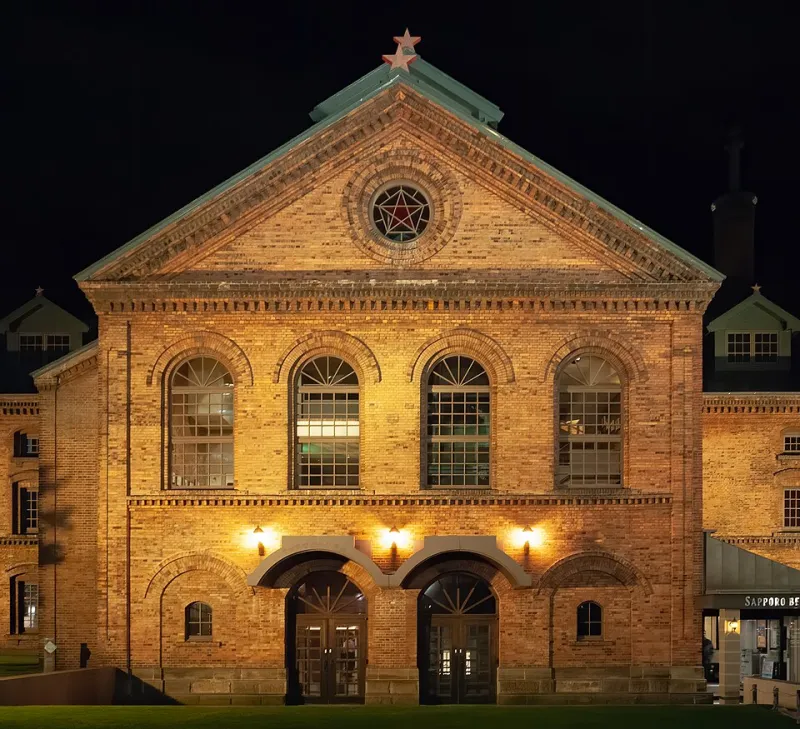
Photo: Ermell, CC BY-SA 4.0, via Wikimedia Commons
There's a moment most first-time visitors to Sapporo experience, usually somewhere around day two. You've already had excellent ramen, wandered through a covered shopping arcade, visited a craft brewery, and stumbled into a neighborhood izakaya that felt genuinely local — and yet you haven't once felt jostled, rushed, or overwhelmed. No shoulder-to-shoulder crowds. No hour-long lines snaking out of restaurant doors. No tour group pileups at every corner.
For anyone who's done Tokyo, that feeling is almost suspicious. Like you're missing something. You're not.
Sapporo is, by any reasonable measure, a major city. It's the fifth-largest in Japan, with a population pushing two million. It has a full subway network, a professional sports scene, Michelin-starred restaurants, and a calendar packed with internationally recognized festivals. And yet it routinely delivers experiences that feel personal, unhurried, and — rare for a major destination in Japan — genuinely uncrowded.
So what's actually going on here?
The Grid Helps More Than You'd Think
Sapporo was designed in the 1870s with a North American-style grid layout, which makes it unusual among Japanese cities. Streets are wide. Blocks are logical. The whole city follows a numbered coordinate system that even non-Japanese speakers can navigate without too much stress.
What that means in practice is that foot traffic spreads out rather than funneling through narrow historic alleys or single-point-of-entry districts. In Kyoto or Tokyo's older neighborhoods, crowds concentrate because the geography forces them to. In Sapporo, there's simply more room — physically and psychologically — to move around.
The city's parks reinforce this. Odori Park runs like a green spine straight through the center of downtown, giving locals and visitors alike a place to decompress that doesn't feel like an attraction so much as a shared living room. Even on busy summer evenings, it absorbs people without feeling packed.
Tourism Here Is Still Developing — In a Good Way
Sapporo gets a lot of visitors, but it hasn't been fully optimized for them yet. That's not a complaint — it's actually one of the city's best qualities.
In heavily touristed Japanese cities, the visitor infrastructure can start to feel like a layer that sits on top of the real city: English-language menus engineered for Instagram, souvenir shops occupying spaces that used to be neighborhood staples, crowds of people photographing the same three spots. Sapporo hasn't reached that tipping point. Most of the restaurants, bars, and shops you'll walk into are still primarily serving locals. You're a guest in their city, not a customer in a theme park built around you.
Local attitudes toward visitors here tend to be warm but not performative. People are helpful when you need it, but they're not hovering. That low-key hospitality makes the whole experience feel more real.
The Seasonal Rhythm Works in Your Favor
One of Sapporo's underappreciated advantages is that its tourism is genuinely spread across the year. The Snow Festival in February draws big numbers, summer brings festival crowds, and ski season keeps Niseko and the surrounding region busy through winter. But those peaks don't all land at once, and the shoulder seasons — late spring and early fall especially — offer a version of the city that's running at full capacity without the visitor surge.
Spring in Sapporo is particularly underrated. The lilacs bloom, the outdoor beer gardens start opening, and the city shakes off winter with a kind of collective exhale. Visit in May and you'll find a city that's fully alive without being overrun. Fall follows a similar pattern — gorgeous foliage, comfortable temperatures, and a dining scene that's leaning into Hokkaido's harvest-season ingredients.
If you're flexible on timing, those windows are worth targeting. You get everything Sapporo has to offer without competing with peak crowds for any of it.
The Dining Scene Is Serious Without Being Precious
Food is one of the clearest places where Sapporo's paradox plays out. The city has a genuinely world-class culinary reputation — Hokkaido dairy, fresh seafood, miso ramen, lamb barbecue, uni that will rearrange your understanding of what sea urchin is supposed to taste like. The ingredients alone would justify the trip.
But unlike some destination food cities, Sapporo doesn't make you work hard to access the good stuff. You're not navigating six-month reservation waitlists or paying for a tasting menu just to get near quality cooking. Some of the best meals here happen in basement restaurants with handwritten menus and plastic food displays in the window. The city's food culture runs deep and wide, not just tall.
That accessibility matters more than it sounds. It means your dining experiences here feel like discoveries rather than achievements.
Size and Scale, Reconsidered
American travelers sometimes underestimate Sapporo because it doesn't have the brand recognition of Tokyo or Kyoto. It's not on every "must-see Japan" list. That's changing — slowly — but for now, it means the city still operates at a human scale in a way that larger, more famous destinations often can't.
You can walk significant portions of the city center without needing to duck into a subway station. You can find a neighborhood coffee shop, become a regular for three days, and actually have the owner remember your order. You can show up at a popular ramen spot at an off-peak hour and get a seat without planning your whole afternoon around it.
None of that sounds revolutionary. But after a week in Tokyo, where every popular experience requires strategy and stamina, it feels like a genuine exhale.
What You're Actually Getting Here
Sapporo isn't a compromise. It's not the version of Japan you visit because you couldn't get tickets to somewhere else. It's a city with its own distinct identity, its own food culture, its own seasonal personality, and its own relationship to the land around it — which happens to be some of the most dramatic in the country.
The reason it feels less overwhelming than other major Japanese cities isn't because it's offering less. It's because it's offering a lot without engineering the experience into something frantic. The city trusts you to find things at your own pace. Most of the time, that pace turns out to be pretty great.
If you've been on the fence about whether Sapporo is worth a dedicated trip or just a day trip from somewhere else — this is your answer. Give it the time it deserves. It'll give you more back than you're expecting.