No Trash Cans, Spotless Streets: The Weird Magic Behind Sapporo's Immaculate City
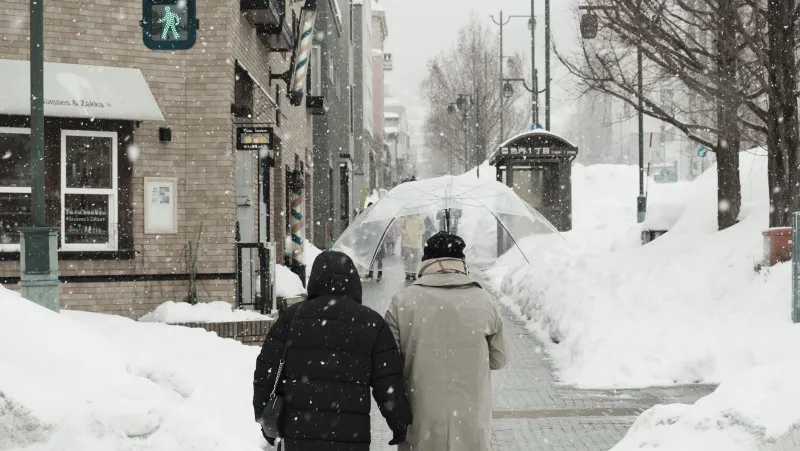
Somewhere around day two of your Sapporo trip, it's going to hit you. You've just finished a convenience store onigiri, the wrapper is in your hand, and you're looking up and down the street for somewhere to toss it. There's a vending machine on the corner. A bus shelter nearby. A row of tidy storefronts. But a trash can? Nowhere. Not one.
Welcome to one of Japan's most quietly disorienting travel experiences.
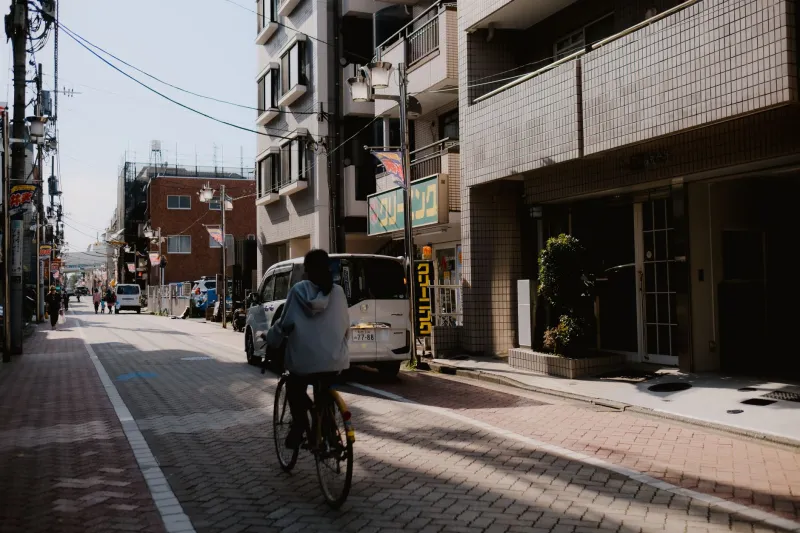
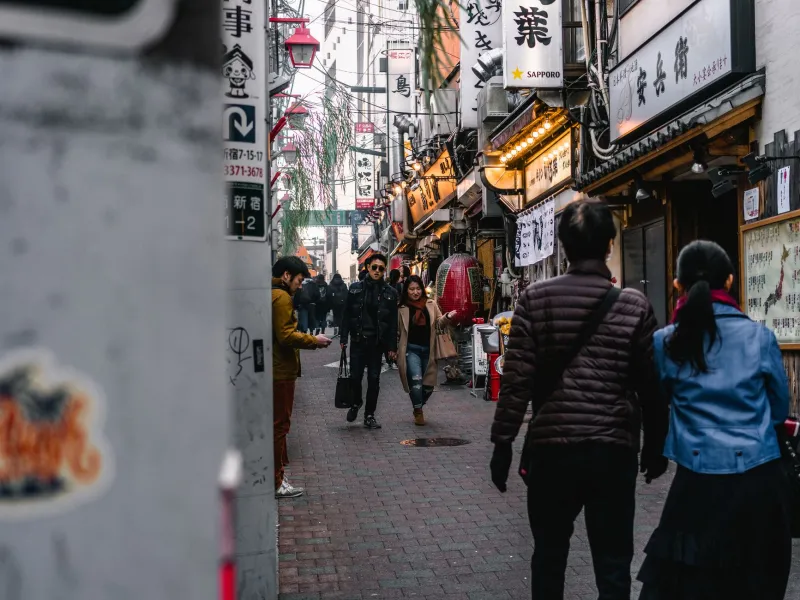
Sapporo is a city of roughly two million people. It hosts millions of tourists every year. It has a world-famous snow festival, a thriving ramen culture, and a craft beer scene that would make any Pacific Northwest city jealous. And yet, public garbage bins are essentially nonexistent on its streets. Not rare—nonexistent. And somehow, impossibly, the city is immaculate.
If that contradiction makes your brain short-circuit a little, you're not alone.
How Did All the Trash Cans Disappear?
This wasn't always the case. Japan's public spaces used to have garbage cans much like anywhere else. Then, in 1995, the Aum Shinrikyo cult released sarin gas on the Tokyo subway, and in the aftermath, authorities across the country removed public bins to eliminate potential hiding spots for dangerous packages. It was a security measure that became permanent—and over time, something unexpected happened. People just... adapted.
In Sapporo and across Japan, the absence of public bins didn't create littered streets. It created a cultural norm: you carry your trash home. Or back to the convenience store where you bought whatever produced the wrapper. Or to your hotel room. The garbage doesn't exist in public space because people simply don't leave it there.
For American visitors, this can feel almost supernatural. Back home, the logic goes: no bins equals litter. In Sapporo, the equation doesn't work that way.
The Unspoken Rules Nobody Warns You About
Here's the thing about Japanese social norms around cleanliness—nobody is going to explain them to you in the moment. There are no signs saying "please take your trash home." No public service announcements. No one will tap you on the shoulder if you're standing there looking confused with a coffee cup in your hand. The rules are just understood.
So let's spell them out, because figuring this out on the fly is genuinely stressful.
Convenience stores are your best friend. 7-Eleven, Lawson, FamilyMart—these are everywhere in Sapporo, and they all have small trash bins near the register or just inside the door. They're technically meant for packaging from items purchased in the store, but in practice, most convenience store staff won't bat an eye if you drop in a wrapper from somewhere else. This is the primary release valve in a bin-less city.
Eat where you buy. A lot of Sapporo's street food and market culture is built around the assumption that you'll eat on the spot and dispose of your trash right there at the stall or in the immediate area. Places like Nijo Market or the food stalls at Odori Park during festivals typically have their own bins nearby. The system works because consumption and disposal happen in the same place.
Vending machines sometimes have bins attached. Japan has more vending machines per capita than almost anywhere on earth, and a good number of them have a small recycling slot on the side specifically for cans and bottles. It's not universal, but worth checking.
Your hotel room is a legitimate trash destination. This sounds obvious, but plenty of visitors feel weird about carrying a wrapper back to their room. Don't. That's exactly what everyone does. Tuck it in your bag, bring it back, done.
What This Actually Says About Japanese Culture
The no-bins phenomenon is fascinating because it inverts the American assumption about how civic cleanliness works. In the US, we tend to think of clean public spaces as an infrastructure problem—put enough bins in the right places and people will use them. Remove the bins and chaos follows.
Japan operates on a different premise entirely. Cleanliness is a personal responsibility, not an infrastructure outcome. The street isn't dirty because individuals don't make it dirty. The burden sits with the person, not the system.
This shows up in other ways once you start looking for it. Japanese schoolchildren clean their own classrooms—there are no janitors for that job. Neighborhoods organize regular community clean-up mornings. After major events, crowds famously tidy up after themselves in ways that go viral on social media every few years (Japanese soccer fans cleaning stadiums at the World Cup, for instance).
In Sapporo specifically, this culture feels particularly pronounced. It's a city that takes obvious pride in its livability. Locals here aren't just tolerating the no-bin situation—they genuinely seem to internalize the idea that public space is shared space, and shared space is your responsibility as much as anyone else's.
Navigating the System as a Visitor (Without the Anxiety)
Okay, practical mode. Here's a simple mental framework for getting through a day in Sapporo without turning into that tourist frantically hunting for a bin:
Start every outing with a small bag. Seriously—a zip-lock bag or a small tote folded in your pocket changes everything. You're not carrying garbage, you're just carrying your bag. It feels completely normal within about 20 minutes.
Buy things at convenience stores when you need a trash fix. Need to dump a handful of wrappers? Walk into the nearest Lawson, buy a drink you wanted anyway, and use the bin. Problem solved, and you've got a cold Hokkaido milk tea.
Don't stress about the small stuff. A used tissue, a gum wrapper—these fit in any pocket. The Japanese approach to this isn't militant or anxiety-inducing; it's just matter-of-fact. You finish something, you hold onto it until you find a place. That's the whole system.
Watch what locals do. This is genuinely one of the best travel skills you can develop in Japan. If you're unsure whether something is okay, look around and see what people near you are doing. In Sapporo, you will not see locals dropping wrappers on the ground. Ever. And after a few days, you probably won't want to either.
The Bigger Takeaway
There's something almost philosophical about Sapporo's clean streets once you sit with it long enough. The city isn't clean because of systems and enforcement. It's clean because of expectations—shared, internalized, and passed down without anyone really having to say them out loud.
For American visitors used to a more infrastructure-dependent approach to public cleanliness, that's a genuinely different way of thinking about how cities work. And it's one of those quiet culture-shock moments that Sapporo delivers better than almost anywhere else in Japan.
You won't find a trash can. You'll carry your wrapper home. And honestly? By the end of your trip, it'll feel completely normal.