Nobody Told You About Sapporo—And That's Exactly Why It Still Feels Like Japan
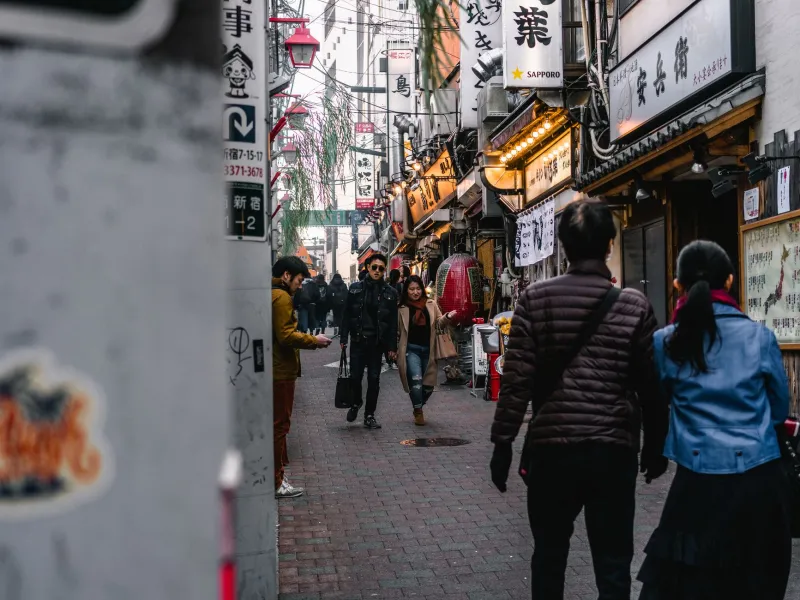
Here's something that happens to a lot of Americans who visit Sapporo: they spend a few days wandering around, eating at counters where nobody speaks English, riding a subway that runs like a Swiss watch, and watching locals go about their lives with zero interest in performing for tourists—and at some point, usually over a bowl of miso ramen or a cold Sapporo Classic at a standing bar, they have a quiet little revelation.
This is what I thought Japan would feel like.
Not Tokyo, which is spectacular but increasingly feels like a global city that happens to be located in Japan. Not Kyoto, which is genuinely beautiful but has become so thoroughly packaged for international consumption that it can feel more like a theme park than a living city. Not Osaka, which is wonderful and chaotic and full of great food, but which has been so thoroughly discovered that the "hidden gems" are now on every travel blog with half a million followers.
Sapporo is different. And the reason it's different is almost embarrassingly simple: nobody told the world about it.
The Accidental Preservation of a Real City
Over-tourism does something insidious to places. It doesn't just crowd them—it slowly hollows them out. Locals get priced out of their neighborhoods. Businesses that served the community for decades get replaced by souvenir shops and matcha-flavored everything. The rhythms of daily life get reorganized around the needs of visitors rather than residents. What's left is a kind of cultural performance—Japan-flavored, expertly executed, but subtly artificial in the way that a studio backlot is subtly artificial even when every detail is historically accurate.
Sapporo escaped that process almost entirely, and not through any deliberate policy or civic philosophy. It escaped because international travel media, for decades, basically ignored it. The Snow Festival gets a mention here and there. The beer gets a nod. And then the listicle moves on to somewhere with a more photogenic temple.
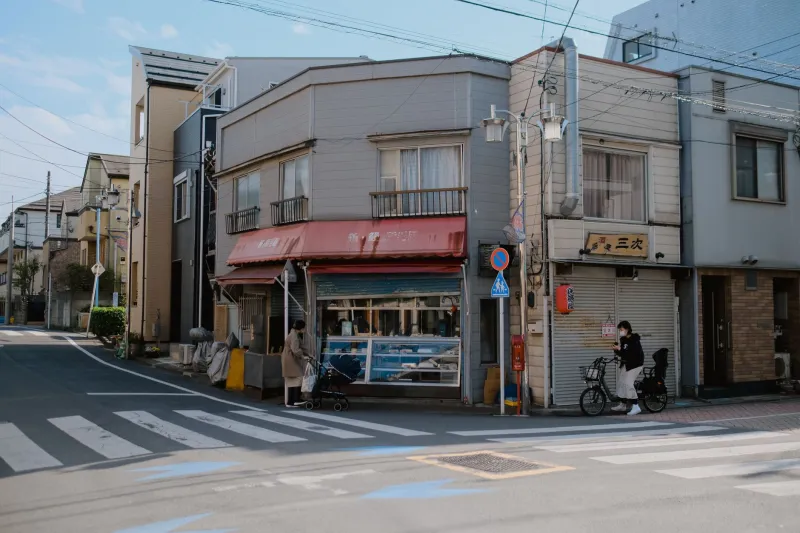
The result is a city where the infrastructure of daily life—the kissaten coffee shops, the neighborhood izakayas, the covered shopping arcades where actual Sapporo residents buy actual things they actually need—exists entirely on its own terms. Nobody built it for you. Nobody optimized it for your Instagram. It's just a city, doing city things, and you're welcome to come along.
What "Authentic" Actually Means on the Ground
The word "authentic" gets thrown around so much in travel writing that it's basically lost its meaning. So let's be specific about what you actually notice in Sapporo that you don't notice in the same way elsewhere.
You notice that restaurant menus are often only in Japanese, not because the owners are being exclusionary, but because it genuinely hasn't occurred to them that they'd need an English version. You notice that the people sitting next to you at the ramen counter are construction workers and office workers and elderly women who live nearby—not other tourists who found the same "local spot" on the same app.
You notice that when you get lost and ask for directions, the interaction is a little awkward and a little wonderful, because the person helping you is figuring it out in real time rather than running a well-rehearsed routine. You notice that the parks are full of people who are there because they like parks, not because the park is famous.
None of this sounds dramatic. That's kind of the point. Sapporo's authenticity isn't a spectacle—it's an absence. An absence of the layer of tourist-facing infrastructure that, once you've experienced its removal, you realize had been sitting between you and the actual place in every other city you visited.
The Hokkaido Factor
There's also something about Hokkaido itself—the island, the landscape, the regional identity—that feeds into Sapporo's character in ways that are hard to fully articulate but easy to feel.
Hokkaido was only settled in the modern era, which means it doesn't carry the same weight of feudal history and ancient tradition that defines much of Honshu. That sounds like a deficit, but it's actually liberating. Sapporo has a kind of frontier confidence—a city that built itself from scratch and doesn't feel the need to constantly reference its own past. The food culture here is about abundance and directness: dairy this rich, seafood this fresh, produce this good doesn't need a lot of ceremony. You eat it, you appreciate it, you move on. There's something very unpretentious about that, and it permeates the whole city.
Sapporoans are also, by general consensus, slightly warmer and more easygoing than the stereotype of Japanese reserve might suggest. Whether that's a Hokkaido thing, a northern-city thing, or just a confirmation bias effect because you're happy to be there, it makes the city feel approachable in a way that can genuinely surprise first-time visitors.
The Paradox, Explained
So here's the actual paradox: the cities that get marketed as "the real Japan" have, through the very process of being marketed, become somewhat less real. And the city that nobody markets—the one that doesn't make the highlight reels, that your well-traveled friends probably haven't mentioned, that you maybe only ended up visiting because of a cheap flight or a ski trip—turns out to be the one that delivers on the promise.
It's not that Tokyo and Kyoto aren't worth visiting. They absolutely are. But if you go to those cities and come away feeling like you experienced Japan primarily through a carefully curated filter, you're not imagining things. The filter is real, and it's there because millions of people before you made it necessary.
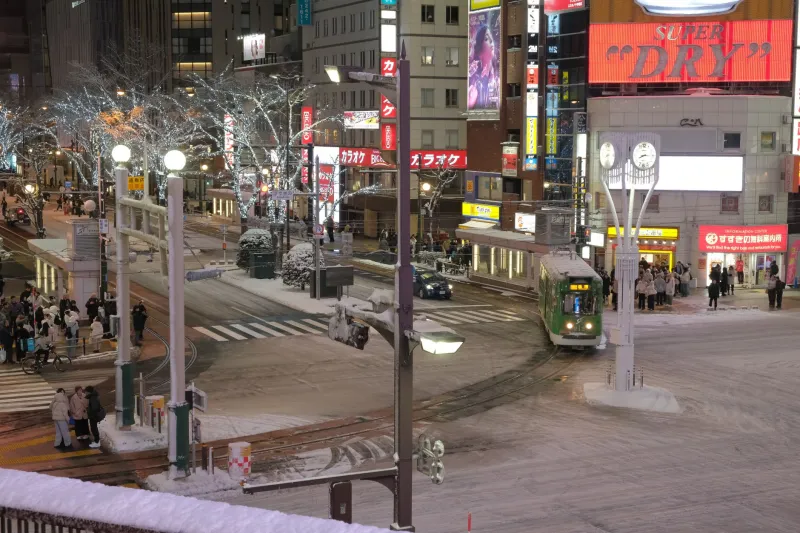
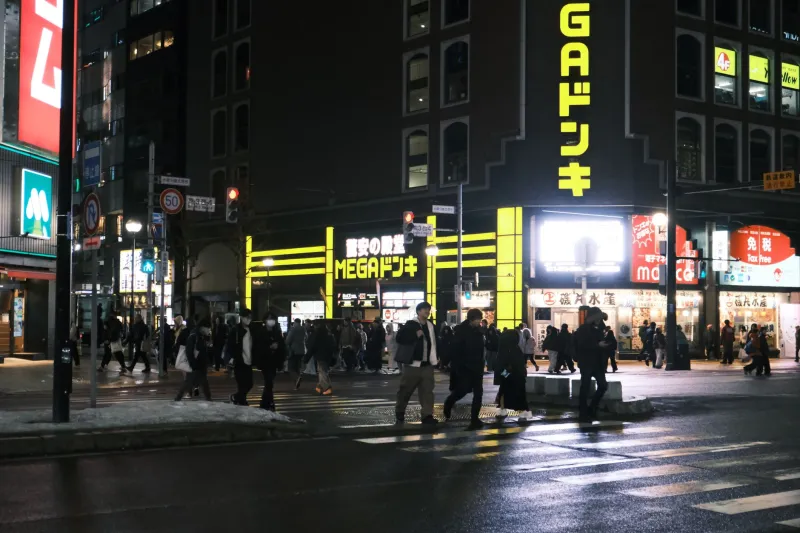
Sapporo doesn't have that filter yet. Maybe it will someday. But right now, walking around Susukino on a weeknight or browsing the Sunday market at Hokkaido University or sitting in a tiny bar in Nakajima Park while the owner plays old jazz records—it still feels like something you found rather than something you were shown.
Worth the Detour
The logistics of getting to Sapporo are genuinely easy—a short domestic flight from Tokyo, or a direct international flight if you're coming from certain US West Coast cities. It's not a hardship destination. It's not off the beaten path in any punishing sense. It's just off the tourist path, which is a completely different thing.
And that gap between those two paths? That's where the city actually lives. Go find it.