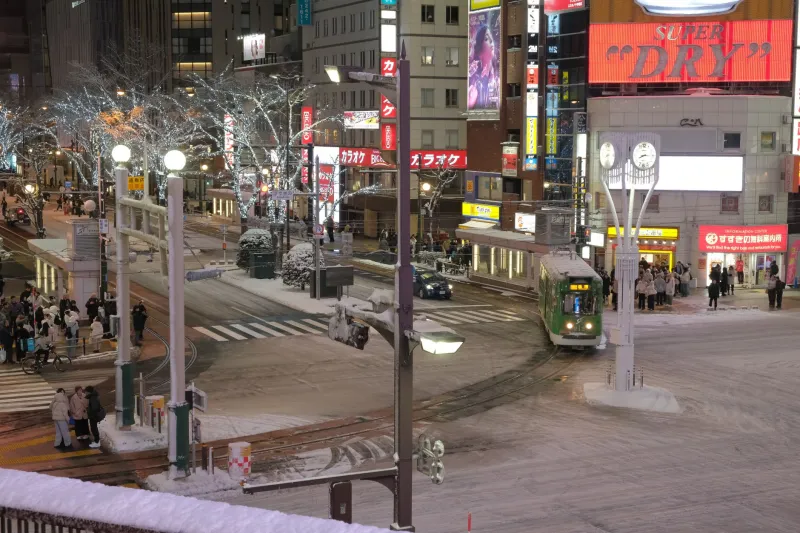
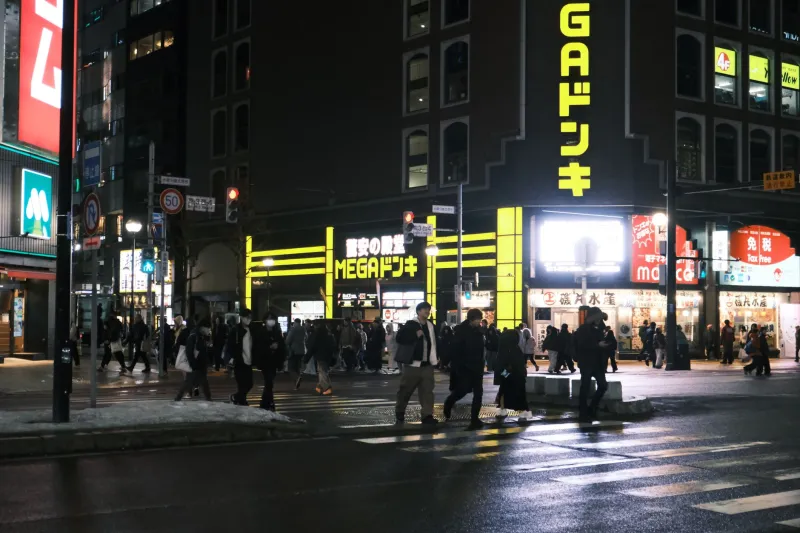
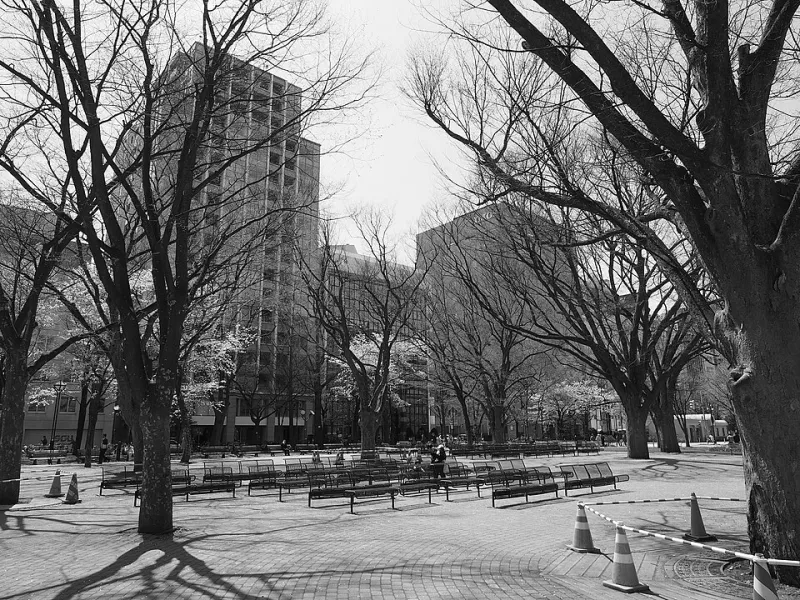
The City That Didn't Try Too Hard: How Sapporo Kept Japan Feeling Like Japan
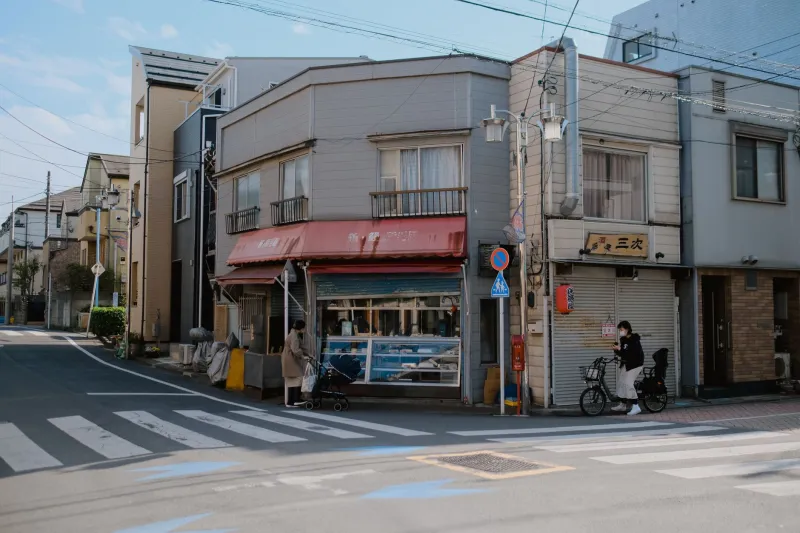
There's a moment that catches a lot of first-time visitors off guard. You're walking through a Sapporo neighborhood — maybe Maruyama, maybe Kotoni, maybe somewhere without a name you'd recognize — and you realize you haven't seen a single sign in English. No matcha soft-serve shop with an Instagram backdrop built in. No rickshaw driver pitching you a tour in practiced American slang. Just a hardware store, a ramen counter with a handwritten menu, and an elderly woman carrying groceries who nods at you like you belong there.
That moment? That's the whole thing. That's what people mean when they come back from Sapporo and struggle to explain why it felt more Japanese than Japan's most famous Japanese cities.
The Authenticity Trap in Kyoto and Tokyo
Here's an uncomfortable truth that seasoned Japan travelers will recognize: the places most marketed as "authentic Japan" are often the least authentic experiences you can have. Kyoto's Gion district has been so thoroughly optimized for tourism that residents have started posting signs asking visitors not to photograph them. Tokyo's Asakusa neighborhood — home to the famous Senso-ji temple — processes millions of tourists a year through a corridor of snack shops selling the same five products in different packaging.
None of this is a criticism, exactly. These are real places with real history, and the tourism exists because the history is genuinely worth seeing. But there's a difference between visiting a place and experiencing it. When every tea house has an English-language price board and every "traditional" craft shop accepts Apple Pay and ships internationally, something has shifted. The culture is still technically present — it's just been formatted for outside consumption.
Sapporo was never part of that formatting process. And that turns out to matter enormously.
A Regional Capital Without a Tourism Identity Crisis
Sapporo's position in Japan's geography is a big part of the story. As Hokkaido's capital and the country's fifth-largest city, it has always functioned primarily as a place where people live and work rather than a destination people come to see. Its growth was driven by agriculture, industry, and regional commerce — not pilgrimage routes, imperial history, or the kind of world-heritage designation that turns neighborhoods into open-air museums.
That means the city developed around the needs of its residents. The covered shopping arcades in Tanukikoji aren't there for tourists — they're there because Sapporo winters are brutal and people need to buy things without freezing. The neighborhood shotengai (shopping streets) in places like Nishi Ward aren't preserved as cultural artifacts; they're just where people pick up tofu and dry cleaning. The izakayas near Susukino aren't performing "traditional Japanese drinking culture" for an audience — they're where office workers decompress on a Tuesday.
When you walk into those spaces as a visitor, you're not entering a recreation. You're entering something ongoing.
What Locals Are Actually Doing (And Why You Should Watch)
One of the more quietly fascinating things about spending time in Sapporo is observing how much of daily Japanese cultural life happens in completely unremarkable settings. The neighborhood shrine near Hokkaido Shrine isn't a tourist attraction — it's where families bring kids for Shichi-Go-San ceremonies and where older residents stop to clap hands and bow on their morning walk. You can stand there and watch that happen, and nobody is performing it for you. It was happening before you arrived and it'll keep happening after you leave.
The same goes for the food culture, which runs deeper here than any single dish. Yes, Sapporo ramen is famous. But the real texture of the city's food life shows up in the department store basement food halls (depachika), where Hokkaido's agricultural identity — the dairy, the seafood, the root vegetables — gets expressed through hundreds of small producers. It shows up in the konbini sandwiches, which in Hokkaido are noticeably better than anywhere else in Japan because the dairy supply chain is just that much shorter. It shows up in the way a neighborhood soba shop treats its buckwheat sourcing with the same seriousness an American farm-to-table restaurant treats its heirloom tomatoes.
None of this is staged. It's just how people eat here.
The Attitude Difference
Something visitors frequently comment on — and struggle to articulate — is the way Sapporo residents interact with outsiders. It's not the wary-but-polite tolerance you sometimes feel in heavily touristed Japanese cities, where locals have learned to coexist with a constant flood of strangers. It's something warmer and more genuinely curious, partly because Sapporo residents are simply less accustomed to being observed.
Hokkaido has a frontier quality to its self-image — the island was only formally settled by the Japanese government in the late 19th century, and that relative newness created a culture that's slightly more open and less rigidly hierarchical than older parts of Japan. Sapporo residents will often make eye contact on the street, which sounds like a small thing until you've spent a week in Tokyo where that basically doesn't happen. They'll attempt conversation with foreign visitors in ways that feel genuinely curious rather than transactional.
This isn't universal, of course. But it's consistent enough that it shapes the whole texture of a visit.
The Paradox, Unpacked
Here's the thing about calling Sapporo "more Japanese" than Japan's officially Japanese cities: it's not really about tradition or history in the way people usually mean those words. Sapporo doesn't have ancient temples or centuries-old craft traditions or the kind of deep cultural sediment that Kyoto has been built on.
What it has is a city that hasn't been asked to be a symbol of itself. It doesn't need to represent Japan to anyone. It just needs to function — to move its residents through their days, feed them well, keep them warm in winter, and give them places to gather and celebrate and argue and relax.
And it turns out that a city just functioning — without the performance layer, without the tourism-industrial complex shaping what you're allowed to see and how — is the closest most of us will ever get to actually understanding how Japanese people live.
You can spend a week in Kyoto and come home with beautiful photographs and a clear sense of Japan's past. Or you can spend a few days wandering Sapporo's neighborhoods, eating in places that don't have English menus, watching the city do its ordinary thing, and come home with something harder to photograph but considerably harder to forget.
The paradox isn't really a paradox at all. Sapporo feels like Japan because it never had to pretend to.