Twelve Things a Local Would Tell You Before Your First Day in Sapporo
Consider This Your Pre-Arrival Briefing
Every city has a layer of knowledge that never makes it onto English-language websites—the stuff that gets passed along over beers, not blog posts. Sapporo has plenty of it. None of this will show up in a search result, and all of it will make your trip smoother. Here's what a local friend would tell you the night before you landed.
1. The Grid System Is Your Superpower
Sapporo is laid out on a numbered grid—streets are literally named by their north-south number (Kita 1-jo, Kita 2-jo, and so on) and east-west position. This means addresses are semi-navigable by logic, which almost nowhere else in Japan can claim. Learn the system on day one and you'll rarely feel lost. The center point is the clock tower near Odori; everything radiates out from there in tidy increments.
2. Ramen Alley Has Rules
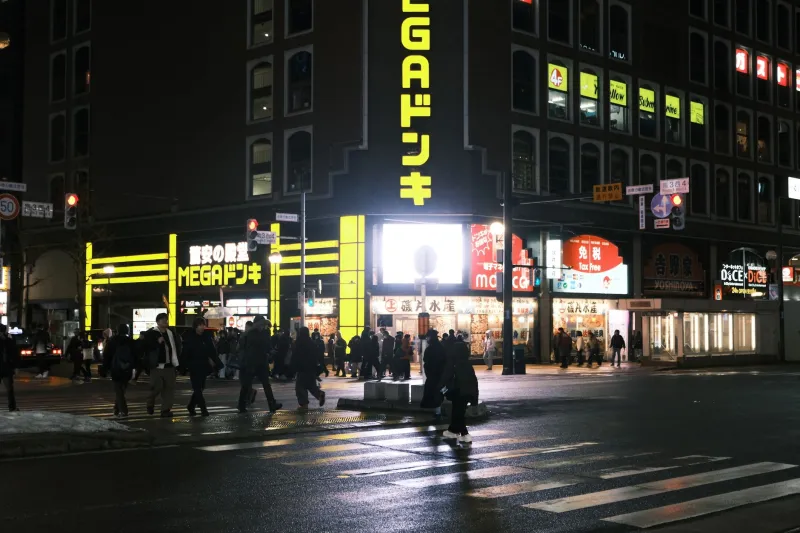
The famous Ganso Ramen Yokocho in Susukino—a narrow lane of ramen shops—is not a food court. Each shop is a small, fiercely independent business, and shop owners genuinely compete. A few unwritten rules: don't grab a table before ordering (many shops have ticket machines or you order at the counter), don't linger forever after finishing during rush hours, and don't bring in drinks from outside. Also: miso ramen is the Sapporo style. Ordering shoyu here is legal, but you're missing the point.
3. Winter Changes the Geography
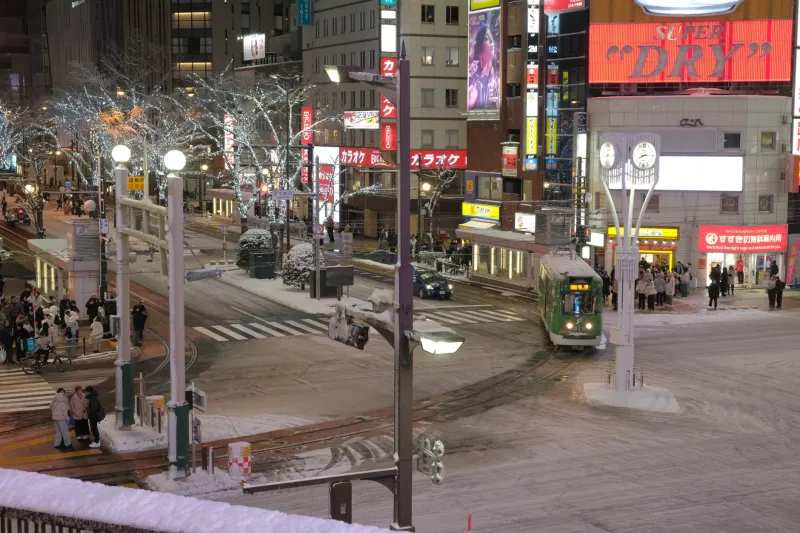
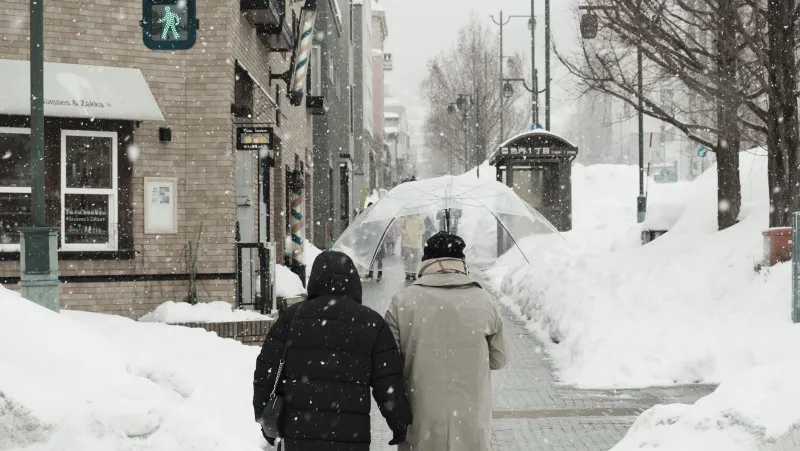
From December through March, the city quietly doubles in difficulty. Sidewalks narrow under snow, and certain stairs and shortcuts simply close. Locals walk differently—short steps, flat feet, like penguins—and you should too, because the ice under the snow is the real hazard. If you're visiting in winter, shoes with actual tread matter more than any packing list item on your spreadsheet.
4. The Beer Museum Isn't Just a Museum
The Sapporo Beer Museum in the Kita district sits inside a red-brick complex from the Meiji era, and most visitors treat it as a look-and-leave stop. Locals know the real move: the adjacent Sapporo Garden Park and the beer hall next door, where you can order jingisukan (grilled lamb) and pour your own draft at the table. Budget two hours, not twenty minutes.
5. The Underground Walkway Is a Weather Cheat Code
Downtown Sapporo connects via an extensive underground pedestrian network—Odori, Sapporo Station, and the shopping streets around them link below ground. In winter or rain, you can cross most of the city center without going outside. It's also how you'll find shops you'd never spot from street level.
6. Escalators Stand Still—You Walk
Tokyo has standing-on-one-side etiquette. Sapporo, being a bit more relaxed, mostly just walks. Don't overthink which side to stand on; keep moving.
7. The Nijo Market Timing Trick
Nijo Market, the city's famous seafood market, is best at two very different times: early morning for the freshest kaisendon (seafood rice bowls) and mid-afternoon, when some stalls start discounting. The tourist crush hits mid-morning. Go around it.
8. Convenience Stores Are Restaurants Here
The American convenience store is a slushie and hot dog situation. The Japanese konbini is a legitimate kitchen: onigiri, fried chicken, seasonal sweets, genuinely good coffee, and hot meals that change with the seasons. Locals eat dinner from konbinis more than they'd admit. Do the same without shame.
9. Trash Cans Are Scarce—Carry a Bag
You've probably read that Japan has few public trash cans. What the articles don't say is what locals actually do: carry a small plastic bag for their own trash and dispose of it at home or at a convenience store. Adopt this habit on day one and the city's cleanliness stops being mysterious.
10. Izakaya Ordering Is a Marathon, Not a Sprint
At an izakaya, you don't order everything at once. You order drinks and one or two dishes, then keep ordering in rounds as you go—toriaezu beeru ("beer first, decisions later") is the traditional opener. Splitting the bill evenly at the end (warikan) is normal, even when people ordered different amounts.
11. The Snow Festival Isn't the Only Festival
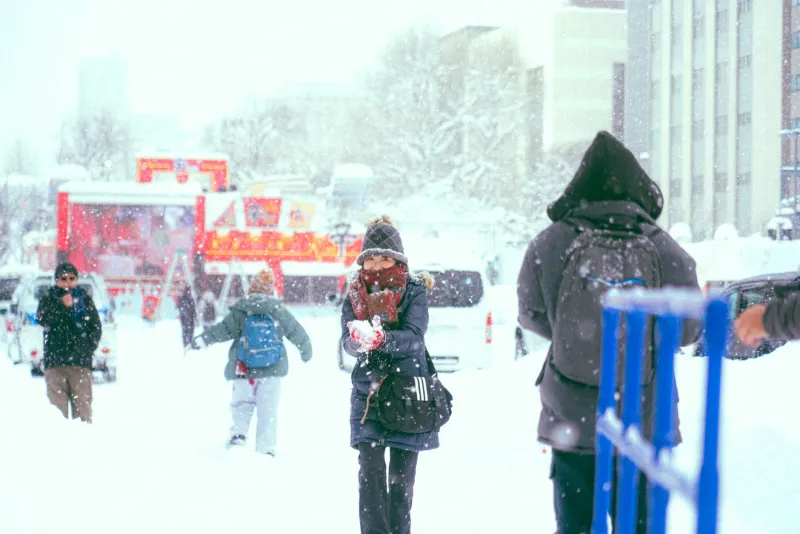
February's Snow Festival gets all the international attention, but it's also the most crowded week of the year, with hotel prices to match. Locals are just as fond of the summer beer festivals in Odori Park, the autumn food festival in September, and the winter illumination events that cost nothing to enjoy. You have options.
12. Small Talk Is Optional, Warmth Isn't
Sapporo is a northern city, and northern cities everywhere share a certain reserve—people won't strike up conversations on the subway, and that's not coldness, it's courtesy. But ask for help and you'll get it, often beyond what you asked for. A shopkeeper might walk you to the place you're looking for. A stranger might wait with you at the bus stop until your bus arrives. The friendliness is real; it just waits to be invited.
The One-Line Summary
Sapporo rewards the traveler who slows down and pays attention: walk the grid, eat at the counter, drink the local milk, and let the city explain itself. Google will get you to the door. This stuff gets you inside.