The City That Was Never Built for You (And Why That Makes It Perfect)
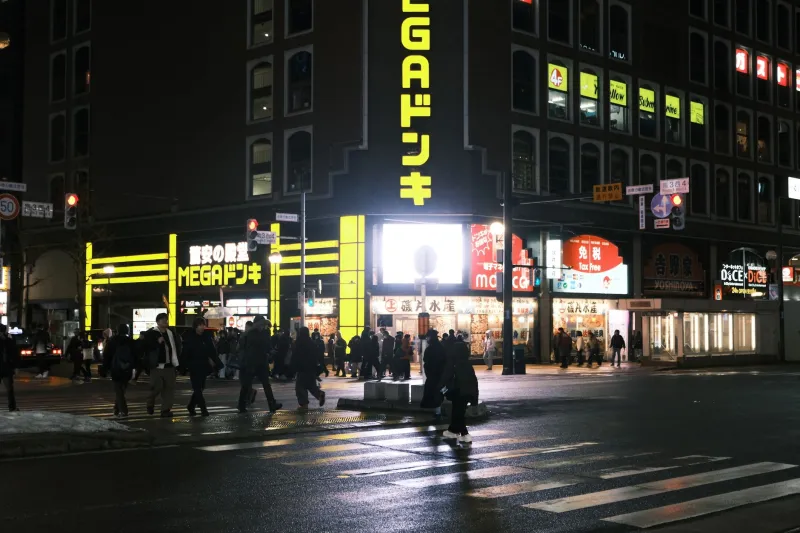
There's a moment that happens to almost every American who visits Sapporo for the first time. You're standing in a covered shopping arcade, or waiting for a light to change on a wide, grid-patterned street, or sitting at a ramen counter where nobody's handed you an English menu — and it hits you. This is what you actually came to Japan to find.
Not the Tokyo you'd already half-seen through Instagram. Not the Kyoto that feels, however beautiful, like it's been choreographed for a camera. Something quieter. More lived-in. More real.
The funny part? Sapporo wasn't trying to give you that. It wasn't trying to give you anything. It was just being a city.
A Young City With Nothing to Prove
Sapporo is, by Japanese standards, practically brand new. It was formally established in 1868 — the same year the Meiji Restoration reshaped modern Japan — and developed rapidly as a planned administrative capital for Hokkaido. That origin story matters more than it might seem.
Tokyo has been a cultural and political center for centuries. Kyoto was the imperial capital for over a millennium. Those cities carry enormous historical weight, and a lot of that weight has calcified into something that tourists consume: preserved temples, manicured traditions, carefully curated experiences designed to deliver "Japan" on a schedule.
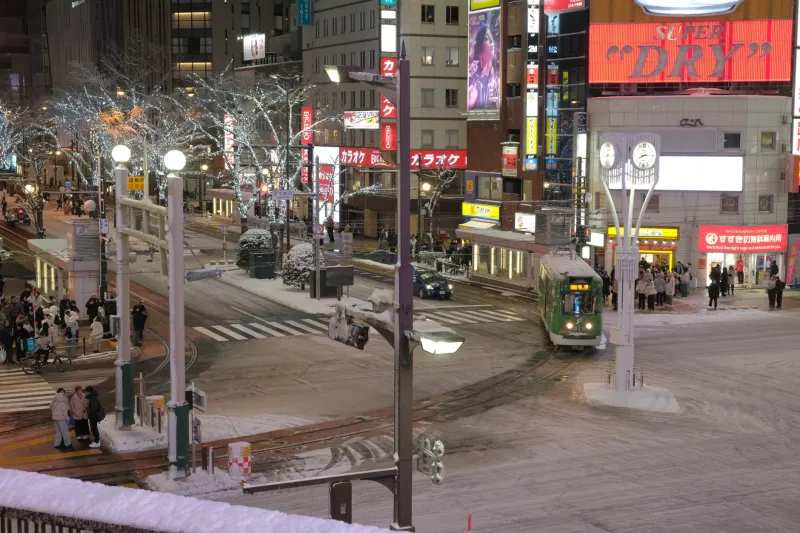
Sapporo never had that. It was built on a grid — literally, by Meiji-era urban planners who drew straight lines across what had been Indigenous Ainu land — and it grew into a modern city without a feudal core to preserve or perform. There are no samurai districts. No ancient wooden townhouses converted into matcha cafés for tour groups. What Sapporo has instead is a functioning, contemporary Japanese city where about two million people go about their actual lives.
For American visitors, that distinction lands differently than you might expect.
What Tourism Does to a City's Soul
Spend a few days in the more heavily visited parts of Japan and you start to notice something subtle but nagging. The experience has been optimized. English signage appears exactly where you need it. Staff at popular spots switch languages before you even open your mouth. The ramen shop near the famous temple has a QR code menu in six languages and a line that wraps around the block.
None of that is bad, exactly. It's thoughtful, even generous. But it creates a kind of comfortable distance between you and the place. You're being accommodated. Guided. Managed, gently, toward the version of Japan that international visitors have come to expect.
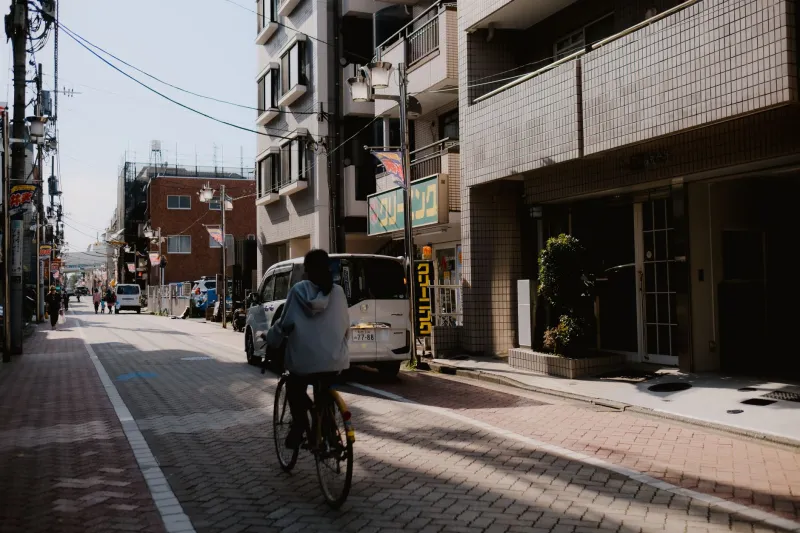
Sapporo doesn't do that — or at least, it doesn't do it very much. The city has tourists, sure, but its infrastructure, its restaurants, its neighborhoods, its rhythms were built for the people who live there. You're not the target audience. You're a guest who wandered into someone else's life, and that is an entirely different feeling.
It's the difference between visiting a film set and visiting someone's house.
The Grid That Accidentally Made Everything Easier
Here's the irony: the thing that makes Sapporo feel most authentically Japanese also makes it one of the most navigable cities in the country for first-time visitors.
That Meiji-era grid layout means streets run in logical, numbered directions. The subway system is clean, simple, and color-coded. Odori Park bisects the city like a spine, giving you an instant orientation point. You can get genuinely lost in Sapporo's vibe without getting lost in its streets.
Compare that to Tokyo, where even longtime residents need GPS to navigate the organic tangle of neighborhoods that grew over centuries without a master plan. Tokyo is endlessly fascinating, but it's also a city that can keep you at arm's length simply through sheer complexity. Sapporo hands you the map and then lets the city surprise you.
Where the Real Immersion Happens
Ask Americans who've spent time in Sapporo where the magic actually is, and the answers tend to cluster around the same kinds of places. Not landmarks. Not famous spots. The everyday stuff.
The shotengai — covered shopping streets where locals buy groceries, hardware, and lunch — that haven't been Instagrammed into boutique destinations yet. The basement food halls of department stores like Daimaru or Sogo, where Hokkaido's extraordinary produce gets displayed with the same reverence a museum gives to art, and where the clientele is basically all locals. The neighborhood izakayas where salarypeople unwind after work and nobody's performing Japanese culture for an outside audience.
These aren't secret spots that require insider knowledge to find. They're just the city. But they feel revelatory to visitors precisely because they weren't built for revelation — they were built for Tuesday evenings.
The Hokkaido Factor
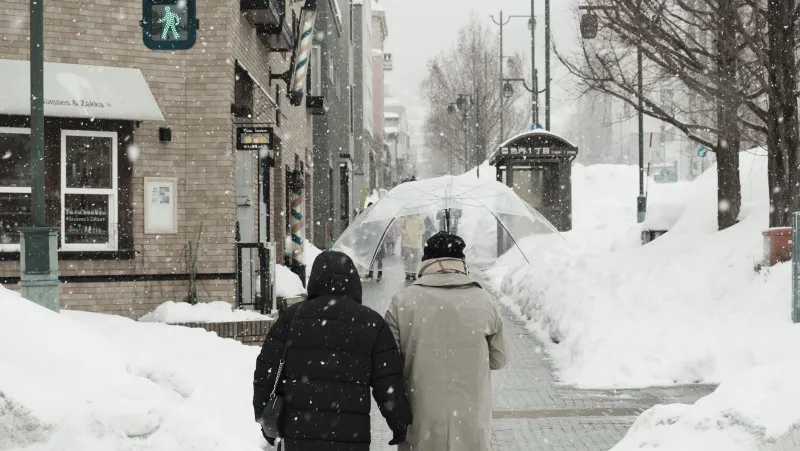
Sapporo's sense of authenticity is also shaped by something broader: its place within Hokkaido. This is Japan's northern frontier, a place with a different climate, a different food culture, and a regional identity that feels distinct from the mainland even to Japanese people.
Hokkaido was settled and developed relatively recently. It has its own relationship with the land — the dairy farms, the lavender fields, the seafood pulled from cold northern waters — and Sapporo, as its capital, carries that regional character into the city. The food alone tells the story. Miso ramen, corn butter, fresh crab, Hokkaido milk soft-serve: these aren't tourist novelties. They're what people here actually eat.
That regional specificity is another thing that separates Sapporo from the more internationally familiar version of Japan. You're not just getting "Japan." You're getting a particular, specific corner of it.
A Different Kind of Travel Win
There's a type of traveler for whom Tokyo is the goal: the overwhelming, stimulating, only-possible-in-Japan capital experience. That's a completely legitimate trip. Tokyo is extraordinary.
But there's another type of traveler — maybe you're reading this because you're one of them — who came to Japan hoping to brush up against something genuine. Who wanted to feel like a curious visitor rather than a managed tourist. Who would trade a little convenience for a little reality.
For that traveler, Sapporo is the answer that nobody told them about. Not because it's hiding, but because it was never trying to be found. It was just here, being a city, waiting for people who were paying enough attention to notice.
The paradox is simple: Sapporo feels more Japanese than the places that have spent the most effort making Japan accessible. It kept being itself while other cities learned to perform. And in that gap — between performance and reality — is where the best travel experiences usually live.