Kissaten, Siphons, and Hokkaido Milk: A Caffeine Lover's Day in Sapporo
Why Japan—Yes, Japan—Is a Great Coffee Country
A lot of American travelers land in Japan assuming it's a tea country and that the coffee will be an afterthought. Then they order their first cup and get hit with a paradox: Japan has been drinking coffee seriously since the 1880s, developed its own brewing rituals, and in some ways never abandoned the craft café culture that Starbucks steamrolled back home.
Sapporo is a particularly good city to discover this, partly because of its climate. When it's minus ten outside, a warm, dim, wood-paneled café where you can sit for two hours with one cup isn't a luxury—it's infrastructure. The city's coffee scene runs on two parallel tracks: the old-school kissaten and the new-wave roaster. You should drink at both.
Track One: The Kissaten
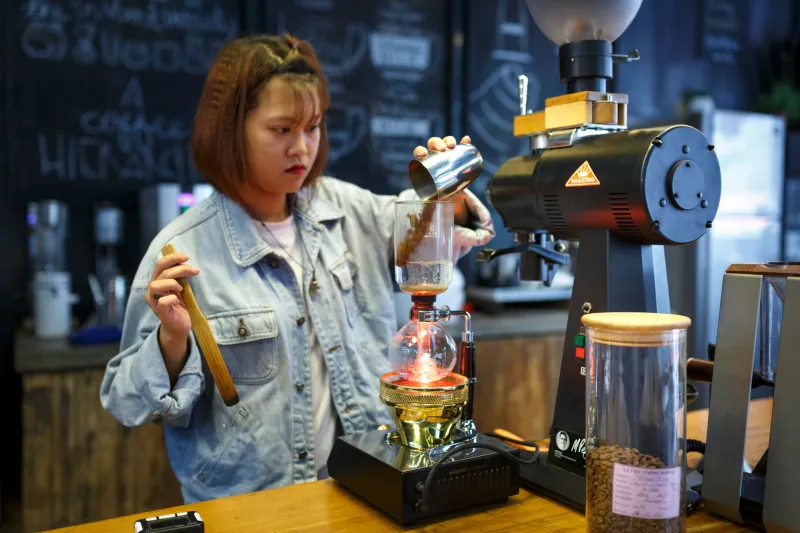
A kissaten is a Japanese coffee house of the old school—think 1960s and '70s interiors, heavy wooden chairs, deep-roast coffee, and often a serious jazz or classical record collection. Nobody's rushing you. Nobody's on a laptop deadline. The coffee often comes brewed in a siphon, that glass contraption that looks like a chemistry set and produces a clean, aromatic cup. Order toast or a pudding and you've got lunch.
What surprises most Americans:
- The coffee is dark roast and unapologetic about it. Kissaten coffee is deep, smoky, sometimes slightly bitter. It's a different philosophy than the bright, fruity light roasts of American third-wave shops.
- You're paying for the seat as much as the cup. Two or three dollars gets you the coffee and, implicitly, the table for as long as you want it.
- The food menu is real. Thick-cut toast with butter and sugar, napolitan (ketchup pasta—trust the process), and custard pudding are kissaten staples.
- Smoking sections exist in some older spots. If that matters to you, look before you settle in.
Sapporo's Susukino and the streets around Sapporo Station hold several decades-old kissaten that have barely changed since the Shōwa era—vinyl booth seats, wall calendars from the coffee roaster, a barista in a paper hat who has been doing this since before you were born. You don't need names to find them; wander the back streets off the main drags and look for the small staircase entrances and hand-painted signage.
Track Two: The New Wave
In the last decade, a younger generation of Sapporo roasters has opened shops that would feel right at home in Portland or Seattle—single-origin pour-overs, light roasts, minimal interiors. What sets them apart is the local ingredient you can't get anywhere else: Hokkaido milk.
Hokkaido produces the majority of Japan's dairy, and the milk is famously rich. Sapporo's modern cafés build entire drinks around it—café au lait made with milk so creamy it barely needs sugar, lattes with a texture closer to melted ice cream. Some roasters even age or blend milks from specific Hokkaido farms the way others talk about coffee farms. If you order one thing in a modern Sapporo café, make it a hot café au lait. It will recalibrate your expectations permanently.
A Suggested Caffeine Itinerary
You can cover both worlds in a single day, on foot:
- Morning — Odori area: Start with a pour-over at a modern roaster near Odori Park. Order the single origin and a slice of toast; the baristas generally speak enough English to get you through, and pointing at the menu works everywhere.
- Late morning — Hokkaido University: Walk the poplar avenue, then stop at a café in the Kita district. Students and professors sustain a quiet, unpretentious coffee culture here.
- Afternoon — Susukino backstreets: This is kissaten territory. Pick the shop with the most faded awning. Order the siphon-brewed house blend, hot. Get the pudding. Sit for an hour.
- Evening — Near Sapporo Station or Maruyama: Cap the day with a Hokkaido-milk latte and a pastry before dinner. Maruyama's café strip, near the park, is especially good for this.
A Few Practical Notes
- Cash helps. Older kissaten often don't take cards. ATMs in 7-Elevens accept foreign cards.
- "Ko-hi-i" gets you far. Coffee is pronounced roughly koh-hee. Hot is hotto, iced is aisu.
- No tipping, no to-go culture rush. Coffee is served in ceramic, meant to be drunk there. Slowing down is the point.
- Convenience store coffee is genuinely good. A canned or freshly brewed coffee from a 7-Eleven costs about a dollar and beats most US gas station coffee by a mile. Locals drink it constantly.
By day's end, you'll understand the pattern: Japan never let coffee culture become a transaction. Whether it's a 60-year-old man pulling a siphon or a 28-year-old weighing beans to the tenth of a gram, someone made your cup on purpose. That's hard to go back from.