How to Actually Meet People in Sapporo (Not Just Wave at Them From a Tour Bus)
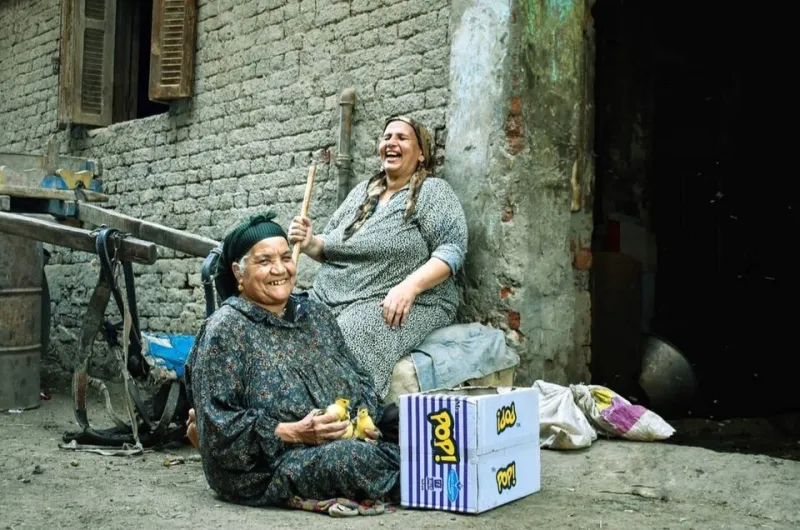
Photo: Ahmed Mo Abd Elaaty, CC BY-SA 4.0, via Wikimedia Commons
Let's be honest. You can spend a week in Tokyo and feel completely invisible. The city is enormous, the pace is relentless, and most interactions stay politely transactional. Sapporo is a different animal. It's a big city — Japan's fifth largest — but it moves at a human scale. People make eye contact. Conversations happen. And if you put yourself in the right rooms, you might leave with friends you'll actually keep.
This isn't a guide to romance apps or nightlife tactics. It's a guide to real connection — the kind that makes a trip feel like it meant something.
Why Sapporo Is Genuinely Different
Hokkaido has a frontier spirit that the rest of Japan doesn't quite share. The island was heavily settled only in the 19th century, which means its culture is a little less rigid, a little more open to outsiders. Sapporo residents tend to be curious about foreign visitors rather than indifferent to them. That curiosity is your opening.
Combine that cultural disposition with a thriving university scene — Hokkaido University alone draws thousands of students — and you've got a city full of people who are actively interested in the world beyond Japan's borders.
Language Exchange Meetups: The Easiest Entry Point
If you speak zero Japanese, don't let that stop you. Language exchange events in Sapporo are specifically designed around the gap. Locals want to practice their English; you want to practice your Japanese (or just meet someone interesting). It's a clean trade.
Searching platforms like Meetup or Facebook Groups for "Sapporo language exchange" will turn up regular gatherings, often held in cafés around Susukino or near the university district. Some are organized by community groups, others by individual hosts who've been running the same weekly meetup for years.
The vibe at these events is relaxed. Show up, grab a drink, sit across from someone, and start talking. The structure does the awkward work for you. By the end of the night, you'll have at least two or three people whose contact info you actually want.
Neighborhood Izakayas: The Underrated Social Hub
Tourists tend to cluster in the same restaurants. Locals go to izakayas — casual Japanese gastropubs where the beer is cold, the food comes in small plates, and nobody's in a hurry to leave.
The key is choosing the right one. Skip the big, glossy spots near Odori Station that have English menus plastered out front. Instead, wander into the backstreets of Tanukikoji or explore the quieter blocks north of Susukino. Look for a place that's small, a little loud, and doesn't obviously cater to tourists.
Ordering is easier than you'd think — point at what someone else is having, smile, and you've already broken the ice. Izakaya culture is communal by design. It's not unusual for neighboring tables to start talking, especially if you're clearly a visitor and clearly enjoying yourself.
Sports Clubs and Fitness Communities
This one surprises people. Sapporo has an active outdoor culture, and many of the clubs built around it actively welcome new members — including foreigners.
Running clubs are a great starting point. Several groups meet weekly in spots like Maruyama Park or along the Toyohira River. You don't need to speak Japanese to run alongside someone. The shared effort does the communicating. After the run, groups often grab coffee or food together, and that's when the real conversations start.
In winter, ski and snowboard communities form around resorts like Teine and Bankei, both accessible from the city. If you're a skier, hiring a local guide or joining a group lesson puts you in direct contact with people who share your enthusiasm for the mountain. That shared passion bridges a lot of language gaps.
For those who prefer something indoors, martial arts dojos — particularly judo and kendo — often welcome visiting practitioners. If you train at home, look up dojos in Sapporo before your trip and reach out in advance. Many are genuinely honored to host someone from abroad.
Volunteer Opportunities: Showing Up and Giving Back
This might be the most underrated approach on this list. Volunteering in Sapporo — even for a day or two — puts you inside the city's civic life in a way that no tour can replicate.
Sapporo hosts a number of events throughout the year that rely on volunteer support, from the Snow Festival in February to summer community clean-up days and local food festivals. Organizations like the Hokkaido International Exchange and Cooperation Center (HIECC) maintain volunteer registries and sometimes specifically recruit international participants for cross-cultural programming.
When you volunteer, you're working alongside people who care about the same thing you're contributing to. That shared purpose creates a different kind of connection than you'd get from standing in line at a tourist attraction.
Coffee Shops That Function Like Living Rooms
Sapporo has a fantastic independent café culture. But some spots are more than just places to drink good coffee — they're places where regulars gather, where the owner knows your order, and where strangers end up talking for two hours.
Look for cafés that have communal seating, bookshelves customers actually use, or a board with local event flyers. These are signals that the space functions as a community hub. Sit at the counter when you can. Baristas in these spots are often conversational and genuinely curious about where you've come from.
The Kita (North) and Nishi (West) districts near Hokkaido University are particularly good hunting grounds. The student population keeps things lively and international-minded.
A Note on Patience and Reciprocity
Connection in Japan — even in a relatively open city like Sapporo — tends to build slowly. The first conversation might be short. The second might go a little longer. By the third, you might be getting a restaurant recommendation texted to you at 10pm.
Don't push. Show genuine interest in what people share. Ask follow-up questions. And offer something back — your own stories, your perspective on Sapporo, your honest impressions of Hokkaido food (which, for the record, are going to be overwhelmingly positive).
The travelers who leave Sapporo with real friendships aren't the ones who tried hardest. They're the ones who stayed curious, stayed open, and gave the city time to meet them halfway.
Sapporo will. You just have to show up.