Forget Tokyo: Sapporo's Art Scene Is the Real Cultural Surprise of Japan
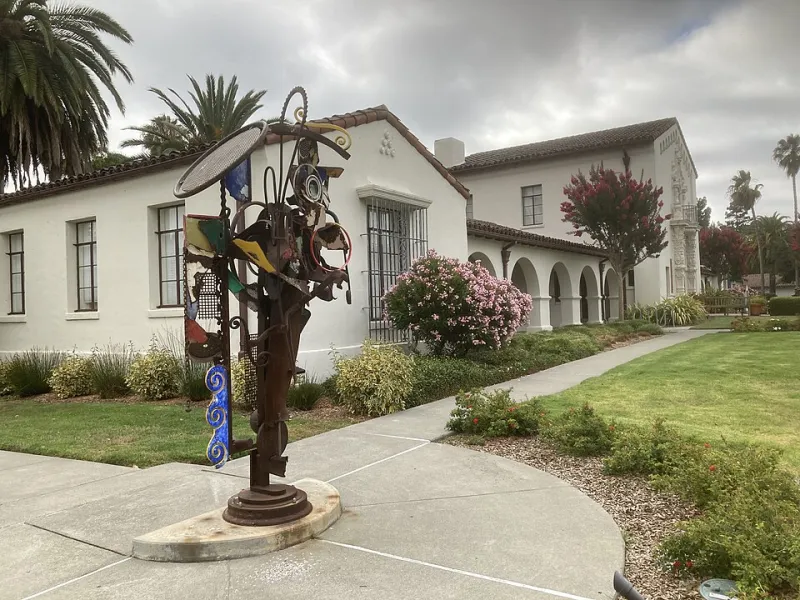
Photo: Terrygraham415, CC BY-SA 4.0, via Wikimedia Commons
There's a running joke among travelers who've spent time in both cities: Tokyo gets all the credit, Sapporo gets all the good stuff. Nowhere is that truer than in the arts. While visitors queue up outside Mori Art Museum or fight the crowds at teamLab in Tokyo, Sapporo's galleries and museums are doing genuinely exciting work — and you can actually enjoy them without feeling like you're at a theme park.
This isn't a consolation prize. Sapporo's art scene has developed its own identity over decades, shaped by Hokkaido's dramatic landscape, its history of frontier settlement, and a creative community that's had to earn its reputation without the automatic prestige of being in Japan's capital. The result is something that feels more honest, more exploratory, and frankly more interesting than a lot of what's happening in bigger cities right now.
If you're building an itinerary and you care even a little about art and culture, here's how to make the most of what Sapporo has to offer.
Start Here: The Hokkaido Museum of Modern Art
If you only have time for one museum, make it the Hokkaido Museum of Modern Art (北海道立近代美術館), located in the Nishi 17-chome area of central Sapporo. It's been around since 1977, but don't let that fool you — the permanent collection is thoughtfully curated, with a strong focus on Hokkaido artists alongside rotating exhibitions that regularly bring in significant international contemporary work.
What sets this museum apart isn't just the collection itself, but the way it contextualizes Hokkaido's creative output. You'll find paintings, sculptures, and mixed-media pieces that grapple directly with the region's environment — the cold, the open land, the sense of distance from the Japanese mainland. For American visitors used to seeing Japanese art filtered through Tokyo's lens, it's a genuinely different perspective.
Admission is reasonable (usually around 510 yen for the permanent collection, though special exhibitions cost extra), and the building itself, set near a small park, has the kind of calm that makes you actually want to slow down and look at things properly.
The Sapporo Art Park: More Than Just a Day Trip
About 40 minutes from central Sapporo by subway and bus, Sapporo Art Park (札幌芸術の森) is the kind of place that doesn't quite have an American equivalent. Spread across a forested hillside in the Minami Ward, it combines an outdoor sculpture garden, an indoor museum, studios for working artists, and performance spaces — all in a setting that feels more like a nature reserve than a cultural institution.
The outdoor sculpture garden alone is worth the trip. More than 60 large-scale works are scattered across the grounds, and you can wander among them for as long as you like. In summer, the greenery and open air make it feel almost surreal. In winter, the sculptures dusted with snow take on a completely different character — quieter, more austere, unexpectedly beautiful.
The indoor museum rotates exhibitions regularly, often featuring contemporary artists from Hokkaido and across Japan. Check the schedule before you go, because the programming can be the difference between a good visit and a great one.
Gallery Hopping in Odori and Beyond
Sapporo's independent gallery scene is smaller than Tokyo's, but it's more navigable — and in some ways, that's a feature. You can actually cover meaningful ground in a single afternoon without feeling overwhelmed.
The area around Odori Park and the streets running south toward Susukino has a cluster of commercial galleries worth exploring. Gallery Retara and Sapporo Miyanomori International Museum of Art (often called SMIMA) are both worth checking in on, with SMIMA in particular showing a rotating slate of international contemporary work in a beautifully converted space.
For something more off the beaten path, the Kita 1 Jo and Kita 2 Jo streets west of the TV Tower have a few smaller spaces that cater more to local collectors and emerging artists. You won't find these in most guidebooks, which is exactly the point. Walk in, take a look around, and don't be intimidated if you're the only non-Japanese person there. Gallery staff in Sapporo tend to be genuinely welcoming to curious visitors.
Public Art You'll Actually Notice
One of the things Sapporo gets right that a lot of cities get wrong is integrating art into everyday public spaces without making it feel forced. Odori Park, which runs east-west through the center of the city, has several sculptures and installations that are easy to walk past without registering — slow down and you'll start to see them.
The underground passages connecting Sapporo's subway stations also feature rotating art installations, particularly along the Sapporo Station to Odori stretch. It's a smart use of space that turns a functional commuter corridor into something a little more interesting.
During the Sapporo International Art Festival (SIAF), which runs every few years, the city goes even further — transforming public spaces, historic buildings, and unexpected venues into exhibition sites. If your trip happens to coincide with SIAF, rearrange your schedule accordingly. It's one of those events that genuinely changes how you see a city.
Timing Your Visit Around the Art Calendar
Sapporo's art scene is active year-round, but a few moments on the calendar are worth knowing about. The Sapporo Art Stage, held each November, brings together galleries across the city for a coordinated series of openings and events — it's essentially the city's answer to an art week, and it's a great excuse to gallery-hop with purpose.
Summer tends to bring more outdoor programming, with events at Sapporo Art Park and Odori Park drawing crowds that are still, by Tokyo standards, refreshingly manageable. Winter programming leans more heavily on indoor exhibitions, which pairs naturally with the city's general instinct to bring people together when the temperature drops.
A Few Practical Notes
Most of Sapporo's major museums have at least some English-language signage, and a few have audio guides available in English — call ahead or check the museum's website if that matters to your visit. The Hokkaido Museum of Modern Art and Sapporo Art Park are both accessible via public transit, though the Art Park requires a bit more planning.
If you're staying in central Sapporo, the gallery district around Odori is walkable from most hotels and guesthouses. Set aside a few hours rather than trying to rush it — the best moments in a gallery are rarely the ones you planned.
Sapporo doesn't advertise its art scene the way it advertises its ramen or its snow festival. That's part of what makes it so satisfying to discover. Come in without too many expectations, and you'll leave with a completely different picture of what this city is actually about.